
Are you tired of looking down at dirty, dull floors in your home? Imagine stepping onto a clean, shining surface every day without spending hours scrubbing.
You might think floor cleaning is a tough job, but with the right tips and tricks, you can make it simple and even satisfying. In this guide, you’ll discover easy steps to keep your floors spotless and fresh. Keep reading, and you’ll learn how to transform your space with just a little effort—your floors will thank you!

Credit: www.youtube.com
Choosing The Right Tools
Choosing the right tools is key for effective floor cleaning. The tools you pick can save time and effort. They also protect your floors from damage. Each floor type needs different care and tools. Knowing what tool fits best helps keep floors clean and fresh.
Brooms And Vacuums
Brooms suit hard floors like wood and tile. They sweep up dust and small debris well. Choose a broom with soft bristles for delicate floors. Hard bristles work better on rough surfaces. Vacuums work for carpets and rugs. They pull out dirt stuck deep inside. Use a vacuum with adjustable settings for different floors. This prevents scratches and keeps floors safe.
Mops And Cleaning Cloths
Mops are great for wet cleaning. Use a microfiber mop for smooth floors. It picks up dirt without scratching. Avoid soaking the floor with too much water. Cleaning cloths help with spot cleaning and polishing. Microfiber cloths trap dust and grime easily. They dry quickly and prevent streaks. Choose cloths that are soft and non-abrasive.
Preparing Your Floor
Preparing your floor is the first step in effective floor cleaning. It ensures the surface is ready for a thorough wash. Taking time here makes cleaning easier and better. A clean floor starts with simple, careful preparation.
Clearing Debris
Start by removing loose dirt and debris. Use a broom or vacuum to clear dust, hair, and crumbs. Pay attention to corners and edges where dirt hides. Clearing debris prevents scratches during mopping. It also helps cleaning solutions work better.
Spot Treatment
Look for spots or stains on the floor. Treat these areas before full cleaning. Use a mild cleaner or a mix of water and vinegar. Dab the spot gently with a cloth. Avoid harsh scrubbing to protect the floor’s surface. Spot treatment removes tough marks early.
Effective Cleaning Techniques
Effective cleaning techniques make your floors look fresh and last longer. Clean floors create a healthy and pleasant space. Choosing the right method depends on your floor type and dirt level. Using proper tools and products improves results. Let’s explore wet and dry cleaning methods for different needs.
Wet Cleaning Methods
Wet cleaning removes dirt and stains deeply. It uses water and cleaning solutions to wash floors. Mop and bucket are common tools for wet cleaning. Use warm water and mild detergent for most floors. Avoid soaking wood floors to prevent damage. Rinse with clean water to remove soap residue. Dry floors quickly to stop slips and mold growth. Wet cleaning works best on tile, vinyl, and sealed surfaces.
Dry Cleaning Methods
Dry cleaning removes dust and loose dirt without water. Sweeping and vacuuming are simple dry methods. Use soft brooms or vacuum attachments for delicate floors. Microfiber dust mops trap fine particles effectively. Dry cleaning prevents dirt from spreading or scratching floors. It suits hardwood, laminate, and carpeted areas. Regular dry cleaning keeps floors tidy between wet washes.
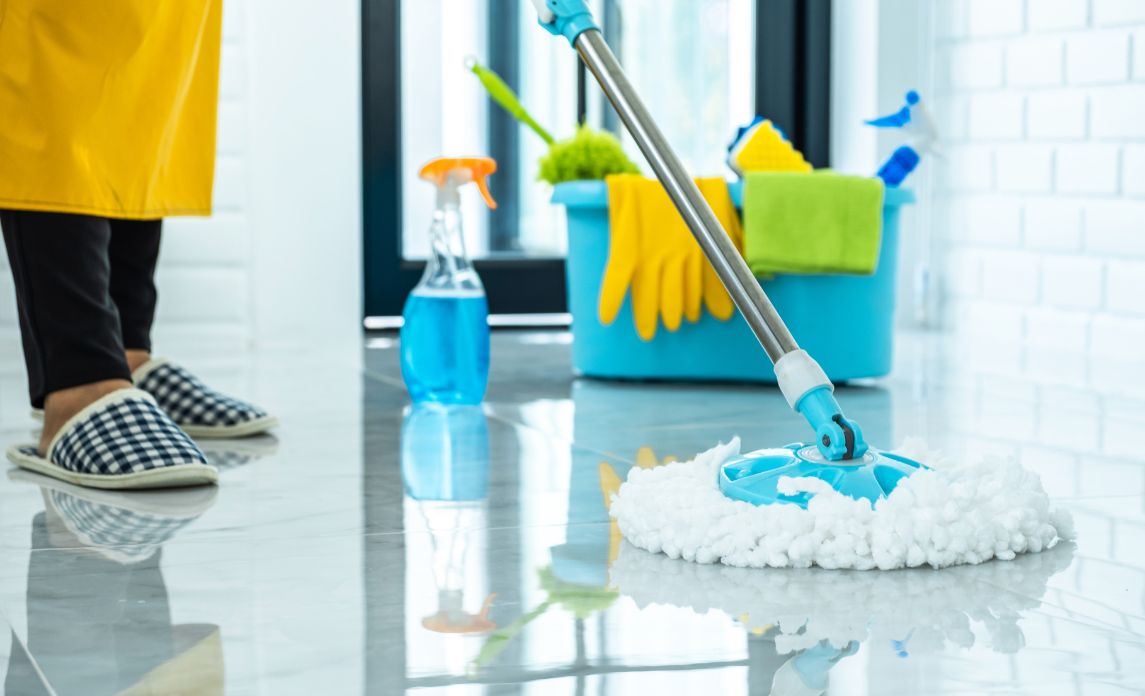
Credit: crewcare.co.nz
Floor-type Specific Care
Different floors need different care to stay clean and last longer. Each floor type reacts differently to water, cleaners, and tools. Understanding the right method protects your floors from damage. It also keeps them looking fresh and new. Below are tips for cleaning common floor types safely and effectively.
Wood Floors
Wood floors need gentle cleaning to avoid scratches and warping. Use a soft broom or vacuum with a hardwood setting. Avoid soaking wood with water. A damp mop with a wood floor cleaner works best. Dry the floor quickly after mopping. Avoid harsh chemicals that strip the finish. Regularly check for scratches and repair them to prevent damage.
Tile And Stone Floors
Tile and stone floors are tough but need proper cleaning to keep grout white and surfaces shiny. Sweep or vacuum to remove dirt and grit. Use a pH-neutral cleaner made for stone or tile. Avoid acidic cleaners like vinegar on natural stone. Mop with clean water and dry the floor to avoid water spots. Seal grout lines every few months to protect from stains.
Vinyl And Laminate Floors
Vinyl and laminate floors are easy to maintain but can be damaged by water and harsh cleaners. Sweep or vacuum to remove dust and debris. Use a damp mop with a mild cleaner designed for vinyl or laminate. Avoid soaking the floor or using abrasive tools. Dry floors quickly to prevent swelling or warping. Protect floors by using felt pads under furniture legs.
Maintaining A Long-lasting Shine
Maintaining a long-lasting shine on your floors keeps your home bright and welcoming. Clean floors look fresh and make a good impression on guests. Regular care helps protect your floor’s surface and extends its life. A shiny floor also feels smooth and comfortable underfoot. Simple steps can make a big difference in keeping that shine for months.
Regular Maintenance Tips
Sweep or vacuum floors daily to remove dust and dirt. Use a soft broom or vacuum with a hard floor setting. Mop floors with a damp cloth or mop, not soaking wet. Choose a cleaner made for your floor type to avoid damage. Dry floors quickly after mopping to prevent water spots. Place mats at entrances to catch dirt before it spreads. Use furniture pads to stop scratches from moving chairs or tables.
Avoiding Common Mistakes
Do not use harsh chemicals that can dull floor shine. Avoid abrasive scrubbers that scratch the surface. Never drag heavy items across floors; lift them instead. Avoid too much water, which can cause warping or stains. Do not use wax on floors that do not need it. Avoid walking on wet floors to prevent smudges and damage. Refrain from ignoring small spills; clean them immediately.

Credit: www.goodhousekeeping.com
Frequently Asked Questions
What Is The Best Way To Clean Hardwood Floors?
Use a soft broom or vacuum, then mop with a damp cloth and mild cleaner.
How Often Should I Clean My Floors?
Sweep or vacuum daily; mop floors once or twice a week for best results.
Can I Use Vinegar To Clean Floors?
Yes, dilute vinegar with water for a natural cleaner, but avoid on stone floors.
How Do I Remove Tough Stains From Floors?
Use a gentle scrub with baking soda paste or a floor cleaner made for your floor type.
What Tools Do I Need For Floor Cleaning?
A broom, vacuum, mop, bucket, and appropriate floor cleaner are essential.
Conclusion
Cleaning floors keeps your home fresh and safe. Regular care stops dirt and damage. Choose the right tools for each floor type. Simple steps save time and effort. Clean floors make your space look neat and bright. Keep a routine to avoid tough stains later.
Small habits lead to big results. Enjoy a clean floor every day with easy care.