
Brick floors are not impossible to clean; they need the right tools and regular care to stay great.
I’ve worked with interior and exterior brick floors for years, helping homeowners and contractors keep them clean and durable. This guide explains whether are brick floors hard to clean, what makes them tricky, and exactly how to clean and protect them. You’ll get clear steps, practical tips, and real-life lessons so you can care for brick floors with confidence.
Why brick floors can be challenging
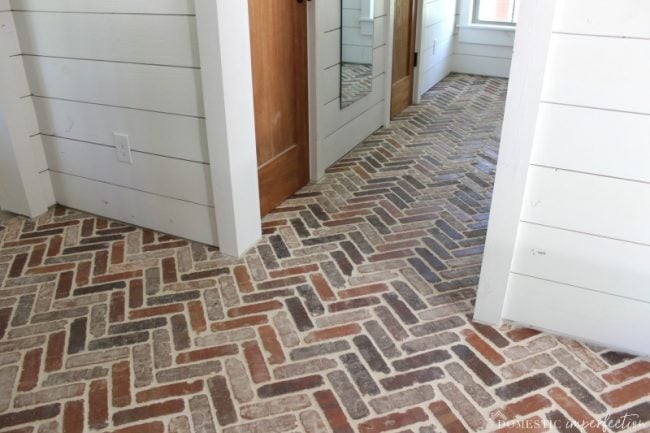
Brick is porous and textured. Dirt sinks into pores and mortar joints. That makes routine sweeping less effective than on smooth floors.
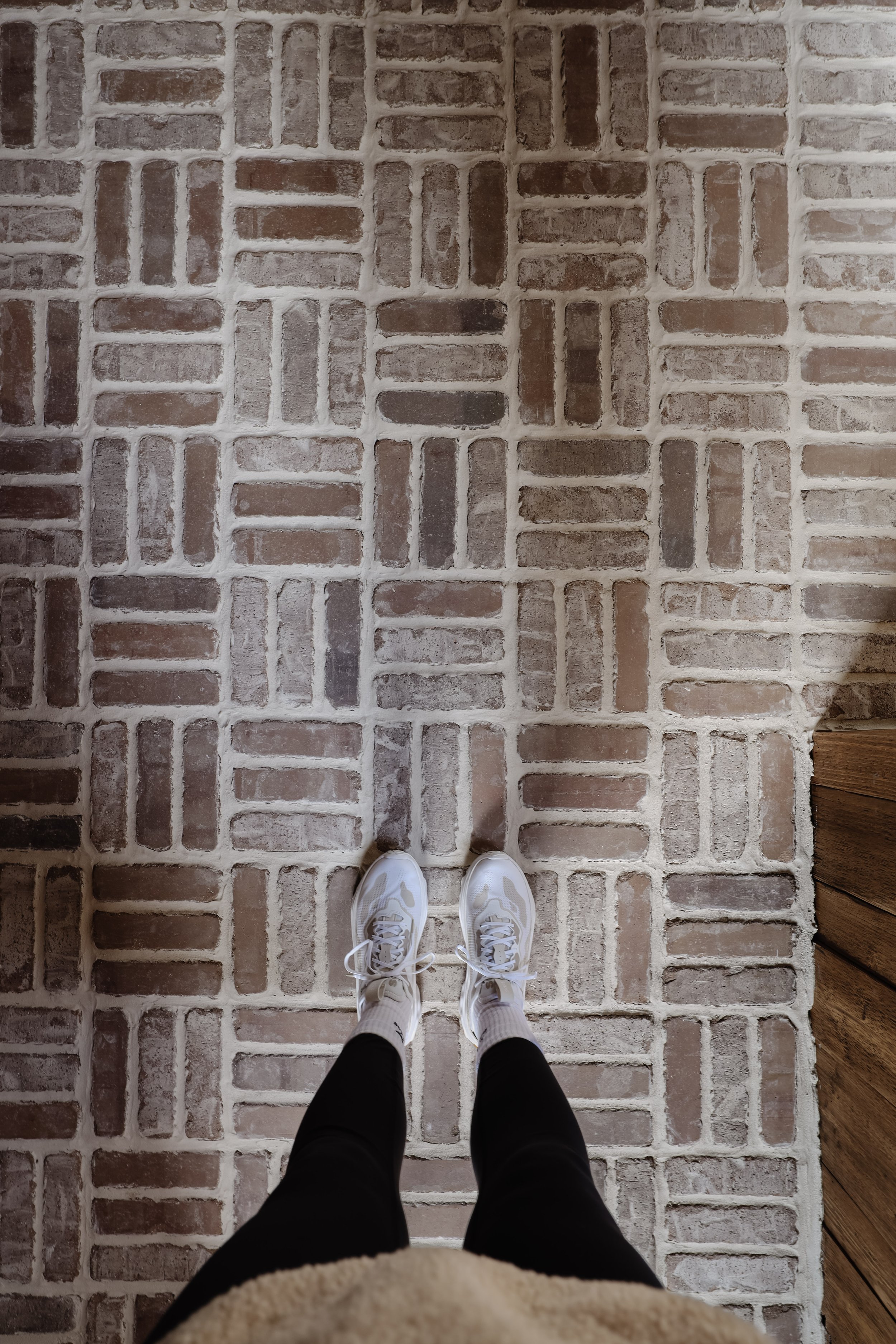
Two big reasons are porosity and joints. Porosity soaks up spills. Joints trap grit and debris. Both create spots that need focused cleaning.
Environmental factors also matter. Outdoor brick sees weather and plant debris. Indoor brick can collect dust and foot traffic oils. Knowing these reasons answers are brick floors hard to clean in practical terms: they’re manageable with the right work.
Types of brick floors and how that affects cleaning
Different brick floors behave differently. Understand your floor type before cleaning.
- Interior fired brick floors
- Usually smoother and can be sealed. They resist stains better once sealed.
- Unglazed or rough bricks
- More porous and hold grime. They need gentler, repeat cleanings.
- Exterior pavers and patios
- Face weather and moss. Pressure washing helps but must be done carefully.
- Tumbled or antique brick
- Softer and more fragile. Use low-impact methods.
Knowing the type makes cleaning easier and answers the core question are brick floors hard to clean by showing that method matters.
Step-by-step cleaning guide for brick floors
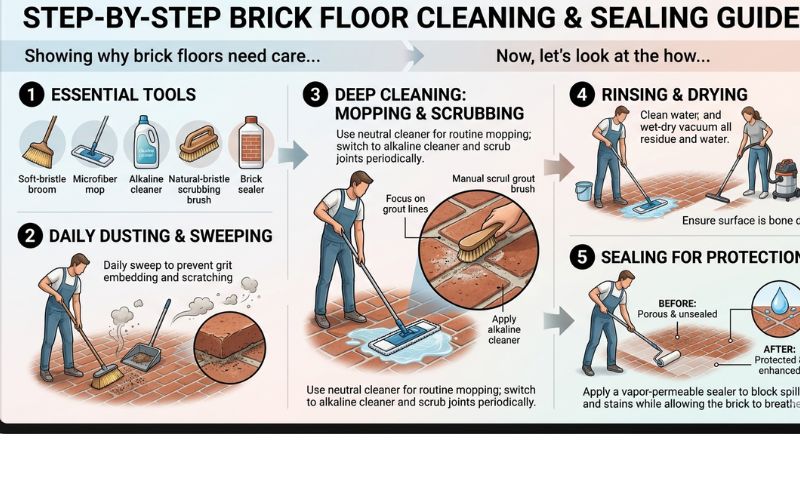
Follow these simple steps for regular care. Keep tools handy and work in small sections.
- Dry prep
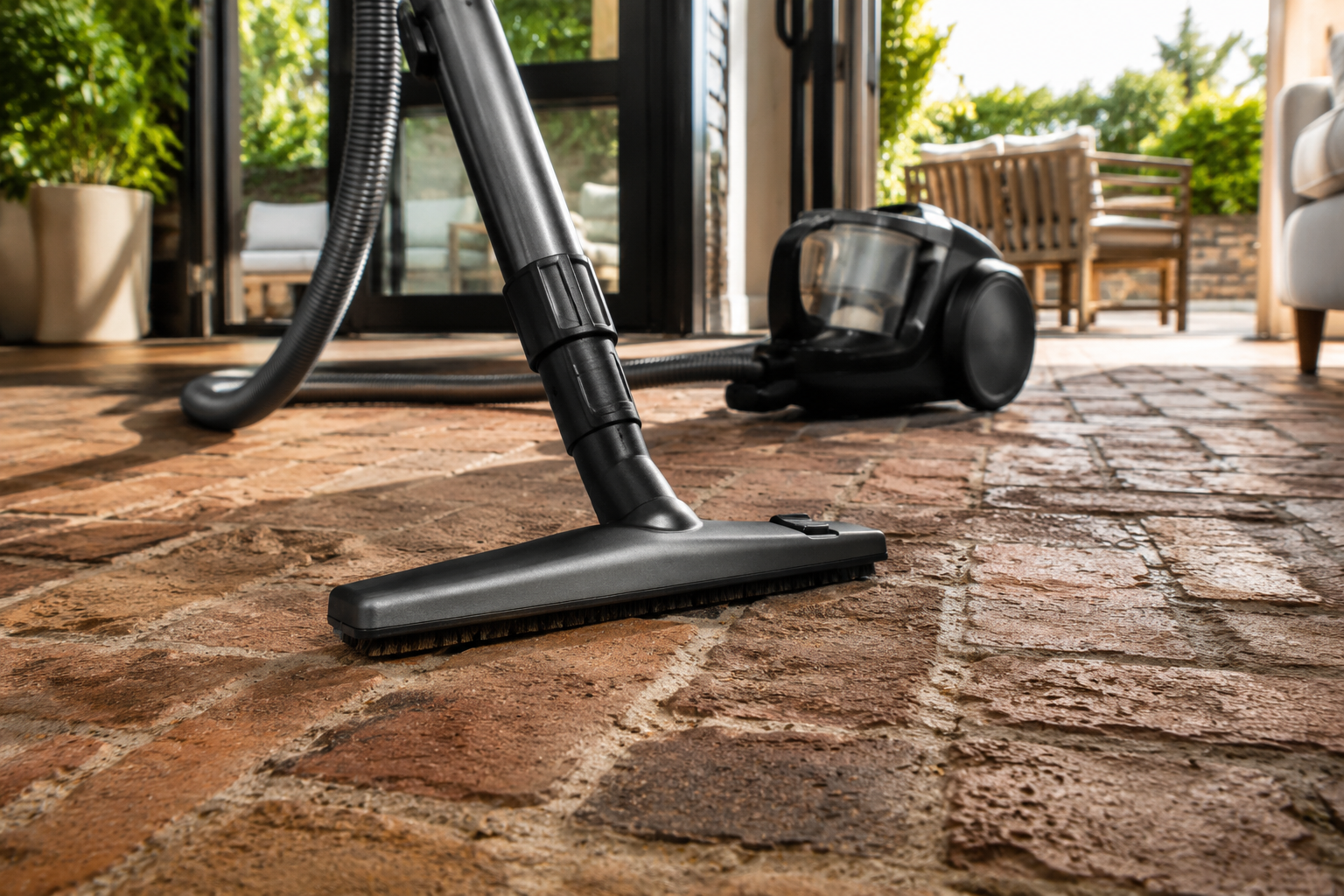
- Sweep or vacuum with a brush head to remove loose dirt and sand.
- Gentle wash
- Mix warm water with a pH-neutral cleaner or mild dish soap.
- Mop or scrub with a stiff nylon brush, not metal.
- Rinse well
- Use clean water to remove soap so residue does not attract dirt.
- Spot treat stains
- Use poultices or specific stain removers for oil, rust, or wine stains.
- Dry thoroughly
- Let the brick air dry fully to prevent mildew or efflorescence.
These steps show that are brick floors hard to clean becomes a practical question. With a routine, they are easy to maintain.

Stain removal and tough problems
Some stains need extra care. Match the method to the stain type.
- Oil and grease
- Absorb fresh oil with cat litter or baking soda, then scrub with degreaser.
- Rust
- Use a rust remover made for masonry or a poultice designed for iron stains.
- Mold and mildew
- Use diluted bleach or oxygen bleach and scrub gently, then rinse.
- Efflorescence (white powder)
- Brush dry material away, avoid acid cleaners unless necessary, and ensure dry conditions.
I once removed a stubborn oil spot from a kitchen brick floor by using a clay-based absorbent overnight, then light scrubbing. Patience and correct products matter more than brute force when deciding if are brick floors hard to clean.

Maintenance, sealing, and prevention
Prevention reduces hard cleaning. Sealing makes a big difference.
- Sealers
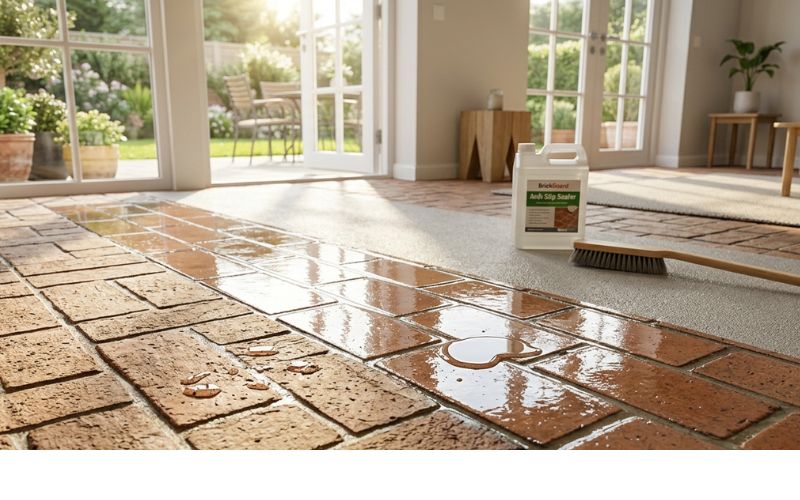
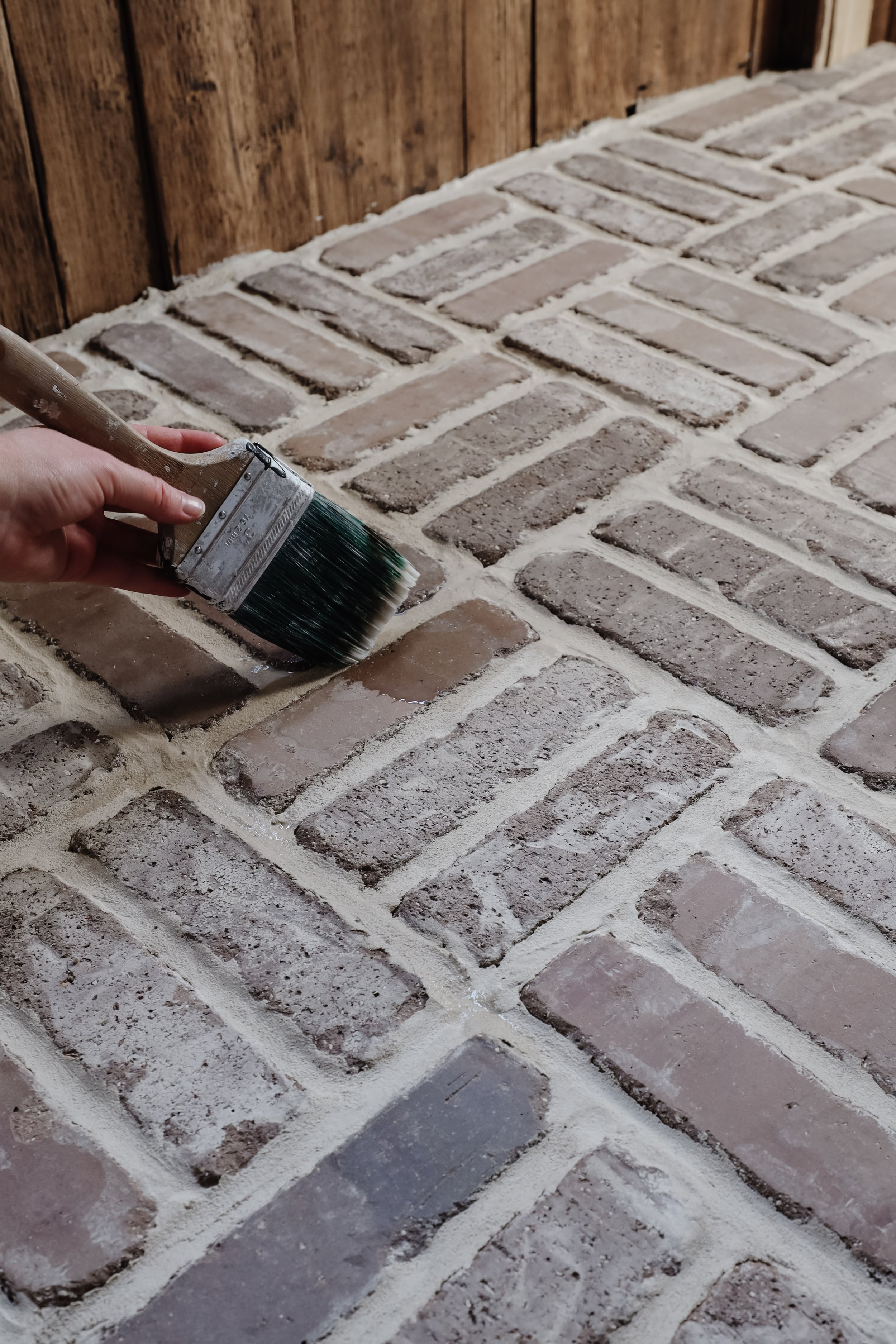
- Penetrating sealers protect pores without changing look. Topical sealers add shine but need reapplication.
- Routine care
- Sweep daily, mop weekly, and treat spills fast.
- Entry mats and area rugs
- Reduce tracked grit and moisture that wear brick.
- Seasonal care for outdoors
- Remove leaves, trim plants, and check for mortar damage before winter.
Sealing and simple habits answer are brick floors hard to clean by reducing the work you must do later.
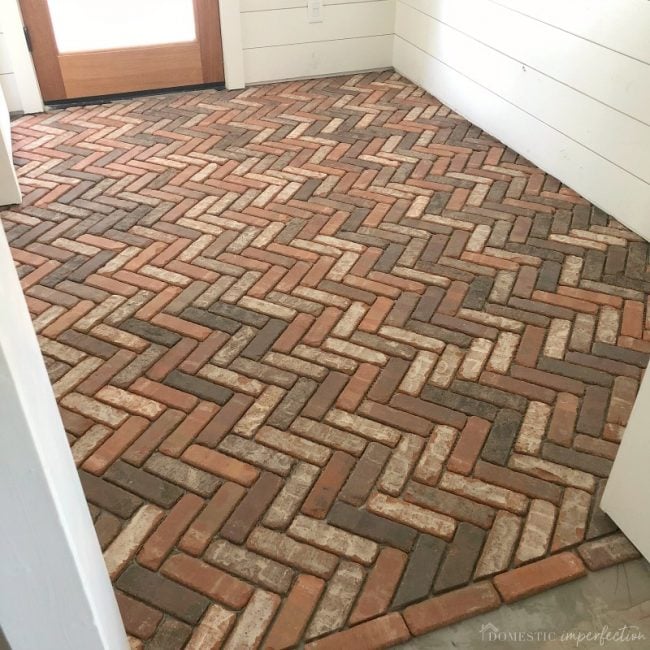
Tools and products that work best
Choose tools that match the brick’s finish. Avoid harsh options that damage mortar or brick face.
- Vacuum with brush attachment
- Good for indoor brick to pick up grit.
- Stiff nylon brush
- Ideal for scrubbing without harming brick.
- Pressure washer (low setting)
- Use for patios, but avoid high pressure that can erode mortar.
- pH-neutral cleaner or masonry cleaner
- Prevents damage and residues.
- Absorbents and poultices
- For oil and deep stains.
I recommend keeping a small cleaning kit near outdoor brick areas. When you ask are brick floors hard to clean, the right kit usually flips the answer to “not really.”
When to hire a professional
Some jobs need pros. Here are signs to call help.
- Deep-set stains that resist home methods.
- Structural issues like crumbling mortar.
- Large exterior jobs requiring long-term sealing or restoration.
- Historic or antique brick that needs delicate care.
Professionals can use specialized cleaners and protective coatings. If you worry are brick floors hard to clean for large or delicate jobs, a pro can save time and reduce risk.
People also ask
Do sealed brick floors clean easier?
Yes. Sealing fills pores and makes spills bead up, which makes routine cleaning faster.
Can I use a pressure washer on indoor brick?
No. Pressure washers are for outdoor use and can damage indoor mortar or push water into walls.
How often should I reseal brick floors?
Typically every 2–5 years depending on traffic and sealer type. High-traffic areas need more frequent attention.
Frequently Asked Questions of are brick floors hard to clean
Are brick floors harder to clean than tile?
Brick floors can be harder because they are more porous and have uneven surfaces that trap dirt. With sealing and routine care, the difference shrinks significantly.
Will brick stain permanently from spills?
Some spills can leave stains if not treated quickly, especially oil and dye. Prompt cleaning and proper stain removal often restore the surface.
Is it okay to use bleach on brick floors?
Diluted bleach can remove mold and mildew but should be rinsed well and used sparingly. Test a small area first to avoid discoloration.
Can I steam-clean brick floors?
Steam can work on sealed interior brick at low settings, but high heat and moisture can harm unsealed brick and mortar. Use caution and test an area.
How do I prevent efflorescence on brick?
Keep brick dry, improve drainage, and ensure good ventilation. If efflorescence appears, brush it away and address moisture sources.
Conclusion
Brick floors are not inherently a cleaning nightmare. They do ask for more mindful care because of porosity and joints. With the right routine, sealers, and tools, are brick floors hard to clean turns into a manageable chore rather than a constant problem. Try the step-by-step guide here, seal when appropriate, and act quickly on spills. If a stain or structural issue looks serious, reach out to a professional for help. If this article helped, try the methods on a small area, subscribe for more home care tips, or leave a comment with your brick-cleaning questions.