
Yes — brick floors can be easy to clean with the right routine and products.
I’ve spent years caring for brick floors in homes and patios, and I know what works. This guide explains whether are brick floors easy to clean, how to make daily upkeep simple, and which deep-cleaning steps protect your investment. Read on for honest tips, proven methods, and easy routines you can use today.
Understanding brick floors and how they affect cleaning
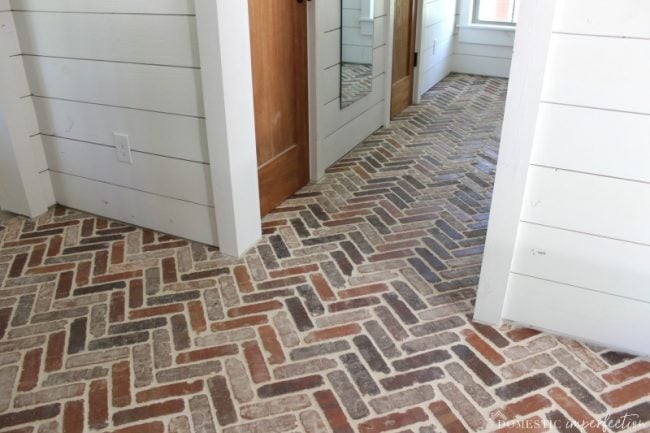
Brick floors are made from fired clay or concrete and come in two main types: glazed or unglazed. Unglazed brick is porous and can trap dirt, while glazed brick has a smoother surface that repels spills more easily. Knowing the type of brick you have is key when considering whether are brick floors easy to clean.
Porosity, grout, and surface texture matter. Rough, textured, or reclaimed bricks will hold more grime. Smooth or sealed brick will wipe clean faster. In short, are brick floors easy to clean depends on their finish and how they are maintained.
Common terms to know:
- Porosity: how much liquid and dirt the brick absorbs.
- Sealer: a protective coating that reduces absorption.
- Grout and joints: spaces that often need more attention than the brick face.
Source: jennasuedesign.com
Daily cleaning and routine care to keep things simple
A small daily routine makes a big difference when answering are brick floors easy to clean. Light, frequent care prevents dirt from embedding in pores and grout.
Easy daily steps:
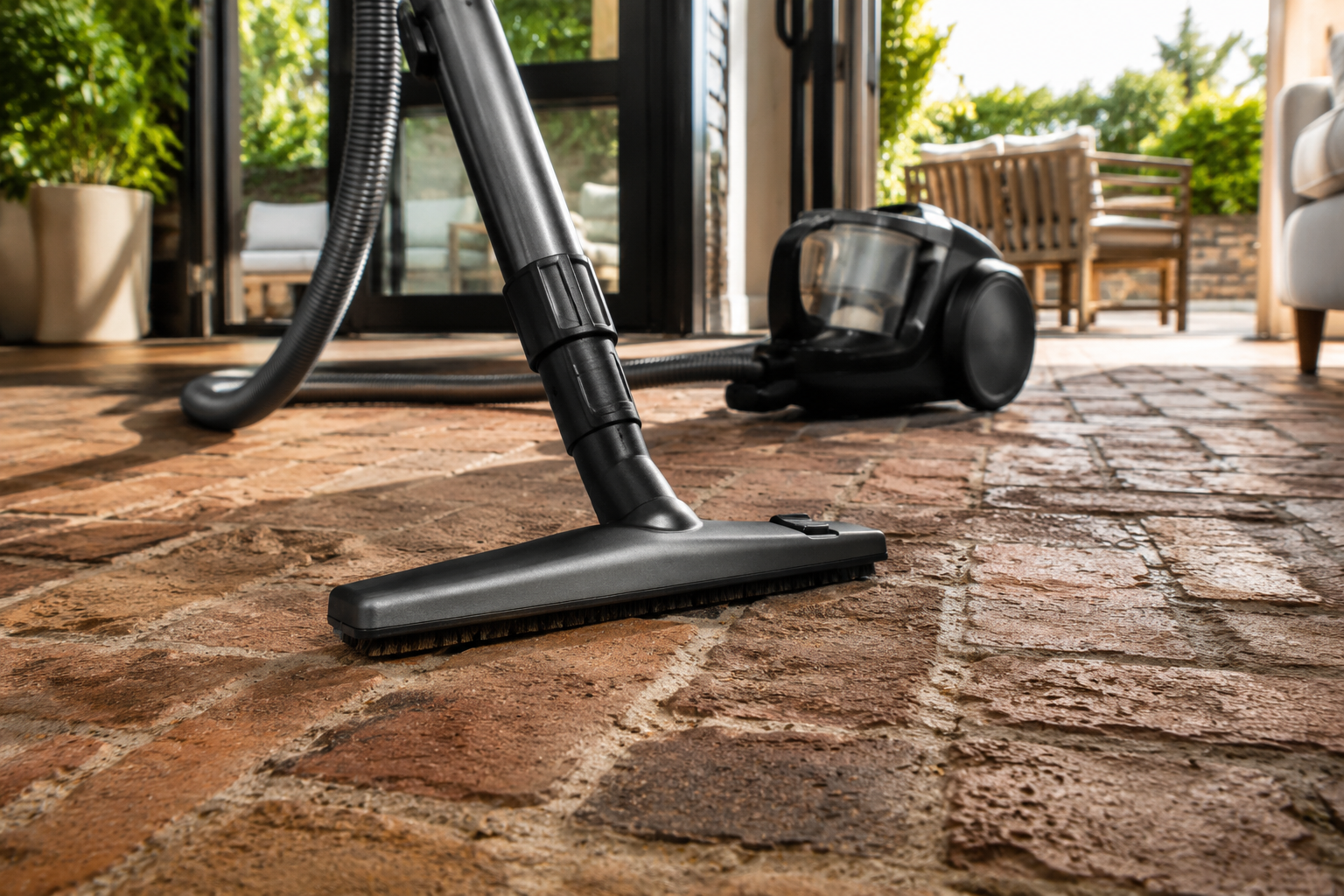
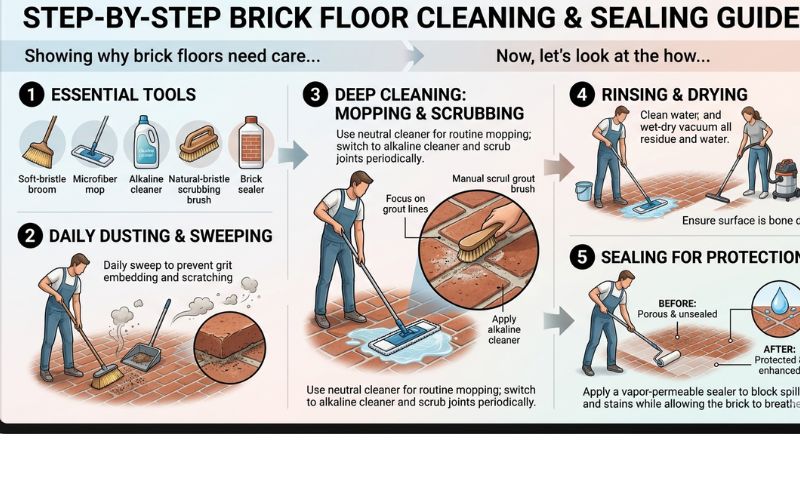
- Sweep or vacuum with a soft brush head to remove grit and sand.
- Damp mop with warm water and a pH-neutral cleaner for sealed brick.
- Blot spills quickly to avoid stains on unsealed brick.
Weekly care tips:
- Check grout lines and scrub gently with a soft brush where needed.
- Rinse with clean water after using any cleaner to remove residue.
From experience, a ten-minute sweep and mop twice weekly is often enough to keep indoor brick floors looking fresh. Outdoor brick may need more frequent sweeping, but the same simple routine applies.

Source: northcountrynest.com
Deep cleaning and stain removal techniques
When you ask are brick floors easy to clean beyond routine care, deep cleaning is the next step. Stains on brick can be removed with the right approach, but stubborn marks may need extra effort.
Step-by-step deep clean:
- Start by sweeping and rinsing the area.
- Apply a mild cleaner or a mixture of water and vinegar for organic stains. Let sit briefly.
- For grease, use a degreasing cleaner made for masonry or a small amount of dish soap.
- Scrub grout and textured brick with a nylon brush. Avoid wire brushes that can damage brick.
- Rinse thoroughly and let dry. Repeat for tough stains.
Safe stronger methods:
- Poultices (cleaning paste) can draw out deep stains from porous brick.
- For mold or mildew, use a diluted bleach solution, rinse well, and ventilate.
- Pressure washing is effective on exterior brick but use low pressure to avoid chipping and dislodging mortar.
Based on my hands-on work with patios and sunrooms, patience matters. Let stain treatments work and avoid harsh scrubbing that damages the surface. That makes are brick floors easy to clean in the long run.
 Source: jennasuedesign.com
Sealing, maintenance schedule, and long-term care
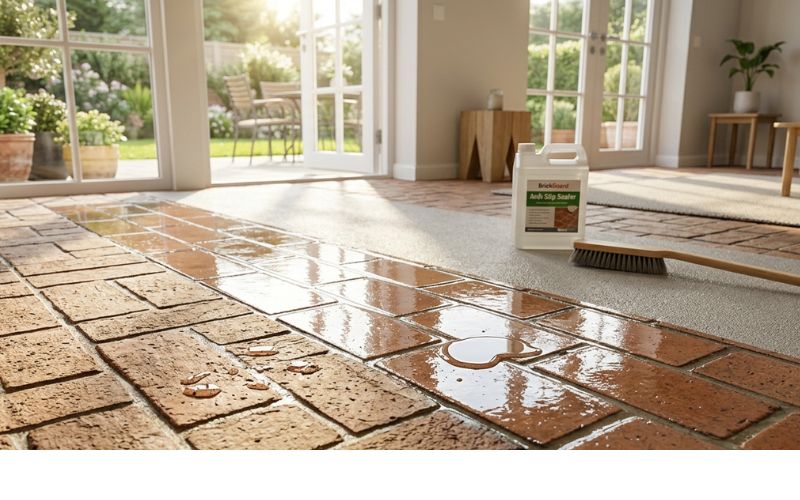
Sealing is often the single best step to answer are brick floors easy to clean. A good sealer reduces absorption, protects against stains, and shortens cleaning time.
Sealer basics:
- Choose a breathable sealer for clay brick to prevent trapped moisture.
- Reapply sealer every 2–5 years, depending on traffic and product instructions.
- Test sealer on a small area first to check appearance and slip resistance.
Maintenance schedule:
- Daily: sweep or vacuum.
- Weekly: damp mop sealed brick.
- Monthly: inspect grout and edges.
- Yearly: deep clean and evaluate whether resealing is needed.
In my projects, sealed brick floors consistently required less elbow grease. That’s why many homeowners ask, are brick floors easy to clean after sealing? The answer: much easier.

Source: youtube.com
Pros and cons of brick floors when it comes to cleaning
Understanding trade-offs helps you decide if are brick floors easy to clean for your situation. Here are the main advantages and limitations.
Benefits:
- Durable and hard-wearing under foot traffic.
- Natural texture hides minor scratches and wear.
- Sealing makes maintenance straightforward.
Limitations:
- Unglazed brick is porous and may stain.
- Grout lines require attention and can darken over time.
- Rough textures trap sand and crumbs more readily.
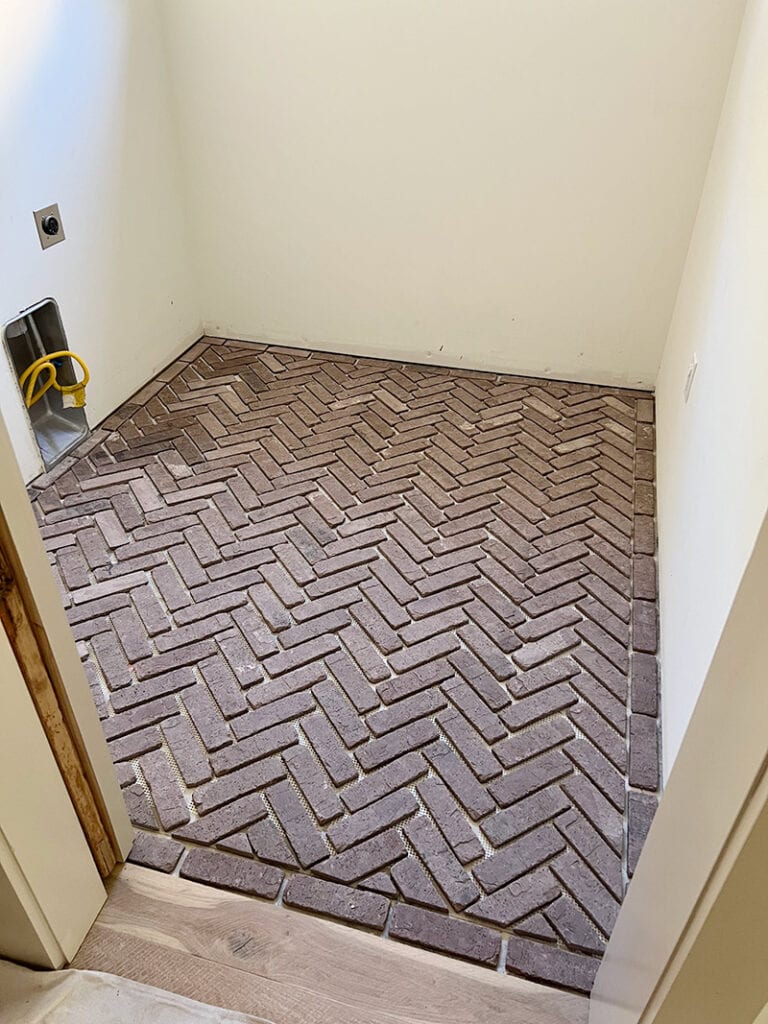
My advice: If you want low-maintenance simple cleaning, pick sealed or glazed brick and plan regular upkeep. That combination makes are brick floors easy to clean for most households.
Source: jennasuedesign.com
Tools, cleaners, and eco-friendly options
Choosing the right tools and cleaners answers are brick floors easy to clean without damaging the material. Use gentle, effective gear and avoid harsh chemicals.
Recommended tools:
- Soft broom or vacuum with brush attachment.
- Microfiber mop and bucket.
- Nylon scrub brush for grout.
- Low-pressure washer for exterior areas.
Cleaner options:
- pH-neutral masonry cleaner for routine use.
- Mild dish soap or diluted vinegar for spot cleaning.
- Oxygen-based bleach for organic stains; avoid chlorine on colored grout.
Eco-friendly picks:
- Vinegar and warm water for light cleaning.
- Baking soda poultice for lifting stains.
- Biodegradable masonry cleaners for tougher jobs.
From my testing, using a microfiber mop plus a gentle cleaner removes most dirt easily. That proves are brick floors easy to clean when you use the right tools.

Source: youtube.com
Common mistakes and practical tips from experience
I’ve made and fixed cleaning mistakes on brick floors, so here are practical lessons to save you time and protect your floors.
Mistakes to avoid:
- Using acidic cleaners on unglazed clay brick without testing first.
- Pressure washing at high settings that erode mortar.
- Skipping sealing on indoor or high-use outdoor brick.
Practical tips:
- Always test a cleaner on a small, hidden spot.
- Use area rugs or mats near entryways to reduce grit.
- Address spills immediately to prevent deep stains.
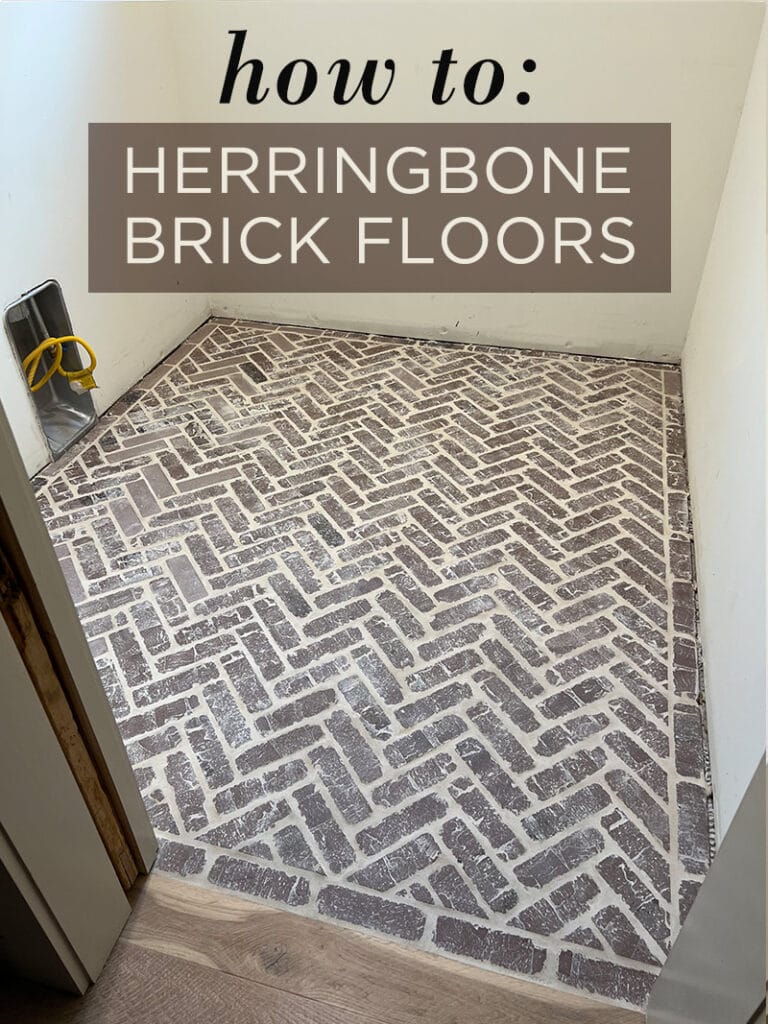
Personal story: I once helped a client who used steel wool on patio brick; it left scratches that needed repair. Now I always recommend nylon brushes and gentle cleaners. That experience taught me how manageable are brick floors easy to clean can be with proper care.
Source: jennasuedesign.com
Quick PAA-style questions (People Also Ask)
What is the easiest way to clean brick floors?
- Sweep regularly, damp mop with a pH-neutral cleaner, and rinse. Seal porous brick to reduce stains.
Do sealed brick floors need special cleaners?
- No, sealed brick accepts gentle, pH-neutral cleaners and water. Harsh acids and solvents should still be avoided.
Can I pressure wash indoor brick floors?
- Pressure washing is not recommended indoors due to water control and potential mortar damage. Use manual scrubbing and rinses instead.
Are brick floors better for high-traffic areas?
- Yes, brick is durable and hides wear well. Sealing improves appearance and makes cleaning easier.
How often should I reseal brick floors?
- Reapply sealer every 2–5 years depending on traffic and product guidance. Inspect annually for wear signs.
Frequently Asked Questions of are brick floors easy to clean
Are brick floors difficult to maintain compared with tile?
Brick floors can require a bit more attention than glazed tile because of porosity and grout. Sealing and regular sweeping reduce effort and make maintenance similar to tile.
Will sealing change the look of my brick floor?
Sealers can darken or deepen color slightly, depending on product type. Test a small area to confirm appearance before treating the whole floor.
What cleaner is safe for unglazed brick?
A pH-neutral cleaner or a mild soap solution is safe for unglazed brick when rinsed well. Avoid acidic cleaners unless you spot-test first.
How do I remove oil stains from brick?
Apply a degreaser or dish soap and scrub gently, then rinse. For deep oil stains, use an absorbent poultice to lift the oil over time.
Can I use vinegar to clean brick floors?
Diluted vinegar works for light cleaning but may harm grout or certain sealers if used often. Use it sparingly and rinse thoroughly.
How long does it take to clean a typical brick floor area?
Routine sweeping and damp mopping take 10–30 minutes for average rooms. Deep cleaning or stain treatment can take longer depending on severity.
Conclusion
Brick floors can be easy to clean when you match methods to the brick type, use proper tools, and protect surfaces with sealer. Follow simple daily habits, tackle stains with patience, and avoid harsh methods that harm the masonry. Try a small sealing test and start a weekly sweep-and-mop routine this week to see results.
Take action: assess your brick type, pick the right sealer, and set a cleaning schedule. Share your experience or questions below, and subscribe for more practical home-care guides.