
Natural stone flooring bricks offer durable, beautiful floors with unique texture and long-lasting appeal.
I’ve worked with stone flooring for years, and I can tell you that natural stone flooring bricks combine raw beauty with real performance. This guide covers what they are, the best materials, installation tips, maintenance tricks, cost expectations, and design ideas. Read on to learn practical advice, mistakes to avoid, and how to choose the right natural stone flooring bricks for your home or project.

What are natural stone flooring bricks?
Natural stone flooring bricks are small, cut pieces of natural rock used as floor tiles or pavers. They come from quarried stone and keep the stone’s grain, color, and texture. These bricks are durable and add a timeless look to indoor and outdoor spaces.
Natural stone flooring bricks work well in kitchens, patios, entryways, and high-traffic areas. They can be honed, polished, or left rough for traction. Choosing the right type affects durability, maintenance, and price.

Popular types and materials
Natural stone flooring bricks come in many materials, each with its own look and properties.
Granite
Granite bricks are very hard and resist scratching. They work great in busy areas and with heavy furniture. Granite comes in many colors and has a low water absorption rate.
Slate
Slate bricks show layered texture and rich, dark tones. They give a rustic or modern look depending on the finish. Slate is slip resistant when textured.
Limestone
Limestone bricks have soft tones and a smooth feel. They show natural fossils or veins in some cases. Limestone needs sealing to protect against stains.
Sandstone
Sandstone bricks offer warm, earthy colors and a textured surface. They are popular for patios and walkways. Sandstone is porous and requires care to avoid staining.
Travertine
Travertine bricks have a classic, warm look with natural voids and patterns. They feel cool underfoot, ideal for warm climates. Travertine should be sealed to reduce staining.

Benefits of natural stone flooring bricks
Natural stone flooring bricks deliver long-term value and beauty. They resist wear better than many man-made materials. Stone bricks add resale value and a luxury feel to homes.
Other benefits include natural thermal mass, which helps regulate indoor temperature, and a variety of textures for slip resistance. With proper care, stone bricks can last decades.
Drawbacks and limitations
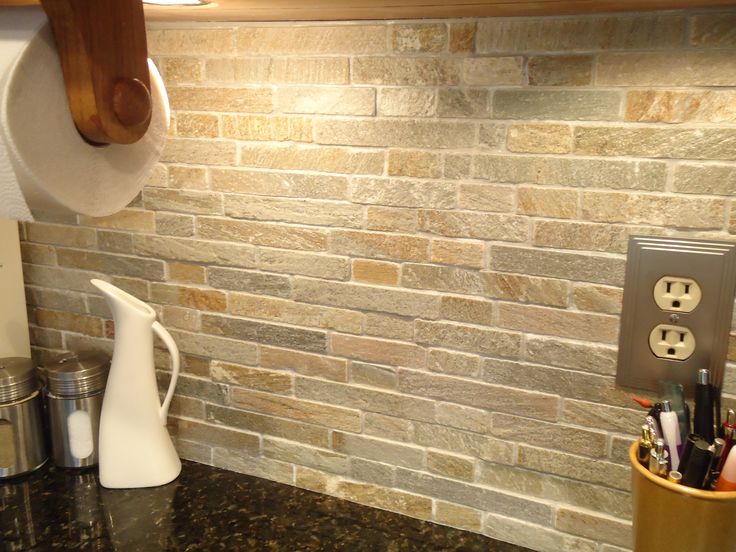
Natural stone flooring bricks can be costlier than ceramic tile or concrete. Some stones are heavy and need strong subfloors or extra labor. Porous stones can stain and it takes regular sealing to protect them.
In very cold climates, freeze-thaw cycles may affect some stone types outdoors. Also, color variation is natural, so expect non-uniform tones across batches.
Installation methods and best practices
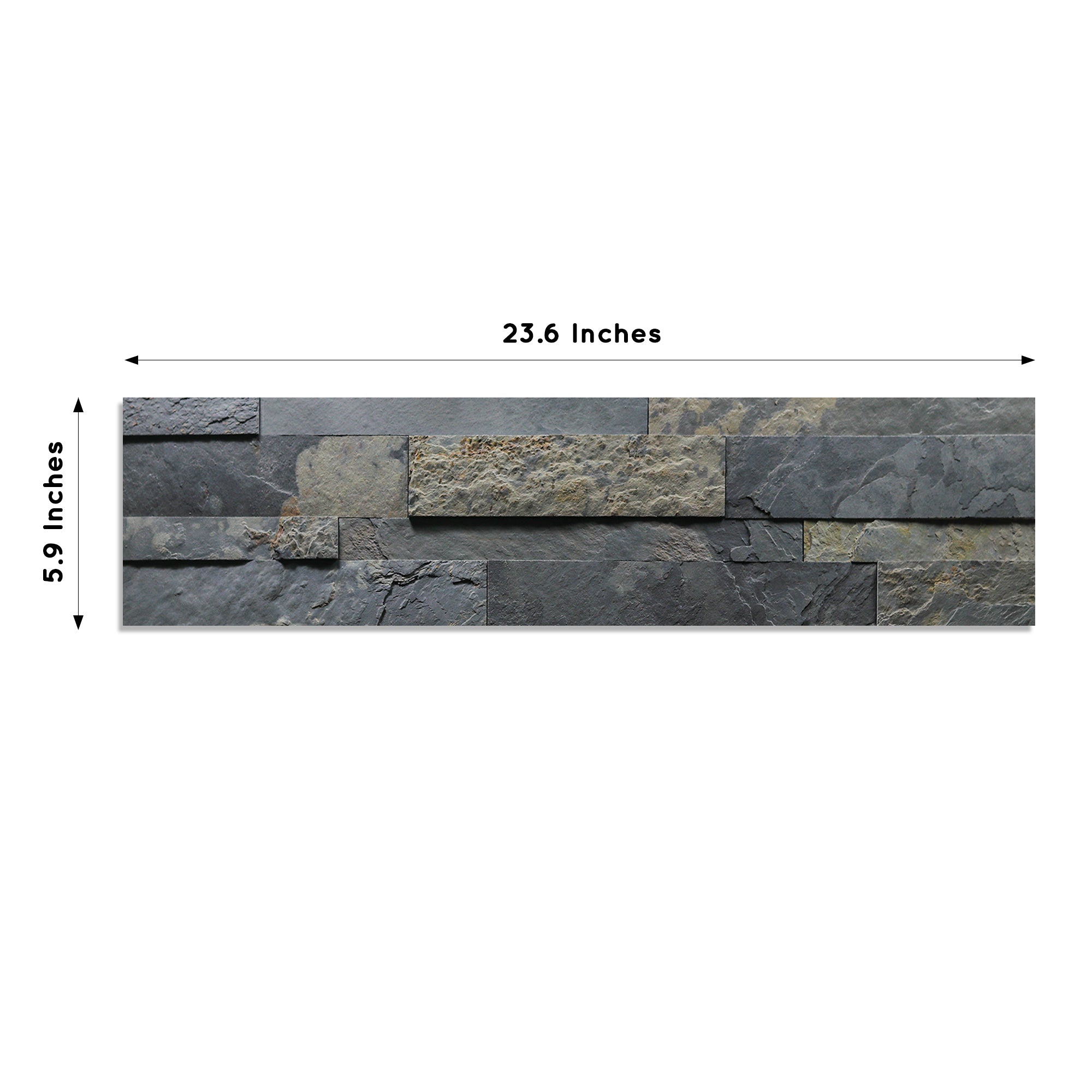
Proper installation makes natural stone flooring bricks perform well for years.
- Prepare a level, sturdy base and use a quality mortar bed or thinset.
- Place bricks with consistent joint spacing and use spacers if needed.
- Seal stone after installation and re-seal on schedule to protect pores.
Hire a skilled installer if you’re unsure. I’ve seen small mistakes like uneven joints or poor curing drastically shorten a stone floor’s life. Aim for correct slope outdoors to prevent standing water.

Maintenance and care
Regular care keeps natural stone flooring bricks looking great.
- Sweep often to remove grit that can scratch stone.
- Clean spills quickly with a mild pH-neutral cleaner.
- Reapply a penetrating sealer every 1–3 years, depending on traffic.
Avoid acidic cleaners on limestone and marble. Use area rugs in heavy-use spots and felt pads on furniture to reduce wear.

Cost, value, and ROI
Natural stone flooring bricks vary widely in cost. Expect mid-range to high prices based on stone type, finish, and installation complexity. Materials and labor both affect the total.
While upfront cost can be higher, stone bricks often add property value and save money over time due to longevity. Consider total lifecycle cost, not just the purchase price.
Design ideas and where to use them
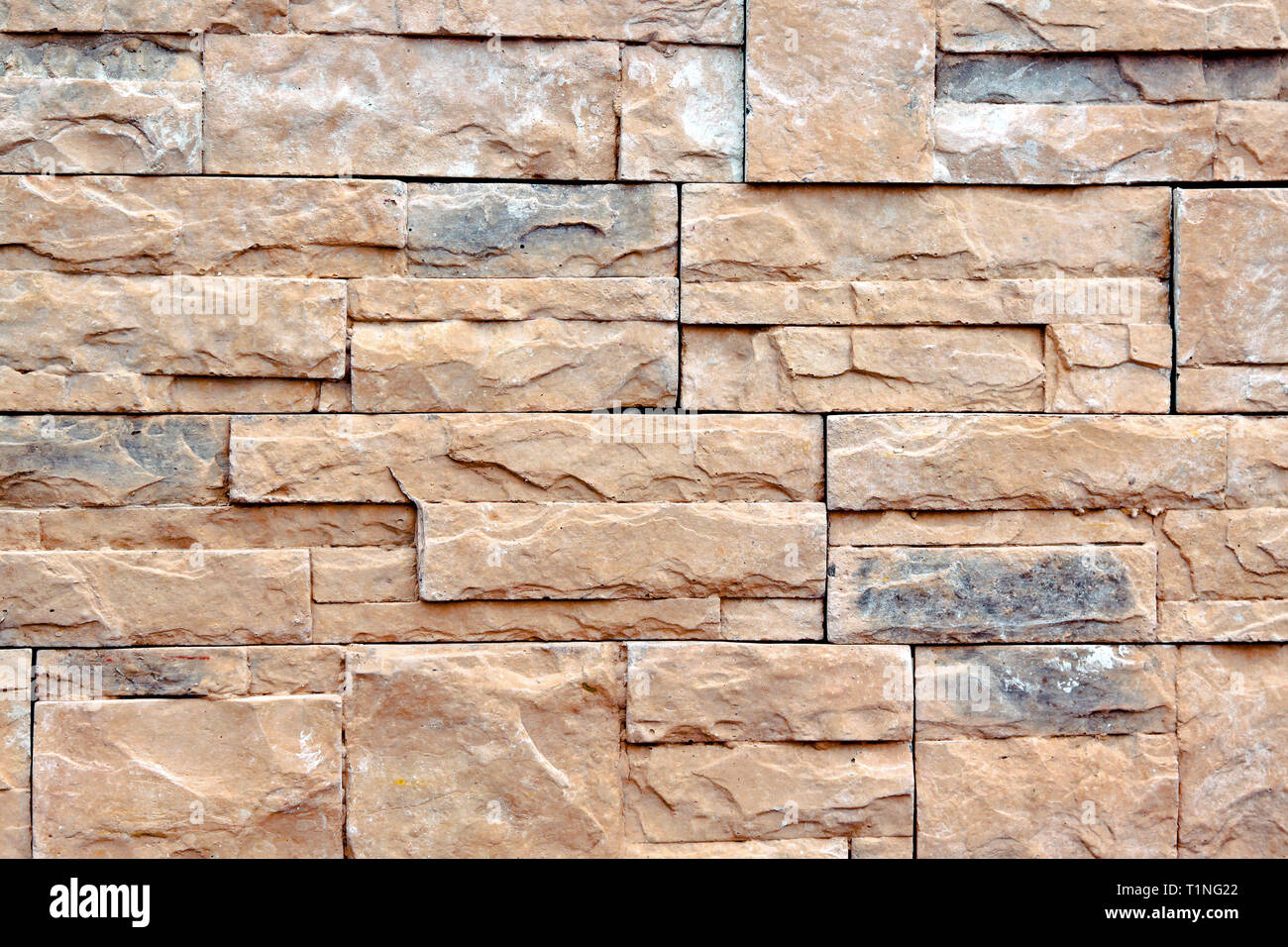
Natural stone flooring bricks fit many styles and spaces. They can create rustic, modern, or classic looks.
- Indoor use examples include kitchens, entryways, bathrooms, and sunrooms.
- Outdoor uses include patios, walkways, pool decks, and steps.
- Patterns like herringbone, basket weave, or running bond add visual interest.
Mix stone tones for a natural mosaic effect, or pick a uniform color for a sleek look. I recommend testing a sample layout at full scale before committing.

How to choose the right natural stone flooring bricks
Start with function, then pick style.
- Identify traffic level, indoor vs. outdoor use, and exposure to water or salt.
- Choose a durable stone like granite for heavy traffic, or slate for textured grip.
- Check slip resistance ratings and porosity numbers if available.
Order samples and test them in your space. Lay sample bricks on the floor to see color with your lighting. Ask installers about expected maintenance and sealing needs.
Sustainability and sourcing
Sourcing matters for natural stone flooring bricks. Responsibly quarried stone uses less energy and follows better labor practices. Reclaimed stone bricks reduce the environment footprint and add character.
Look for suppliers that provide chain-of-custody information or use reclaimed materials. Local stone lowers transport emissions and supports regional economies.
Personal experience and lessons learned
I once helped install natural stone flooring bricks in an old kitchen renovation. We underestimated the need for a level subfloor and had to redo part of the job. That taught me to always check flatness and support before laying stone.
Another lesson: sealing early and often prevents many stains. I recommend living with a sample for a week before final purchase to see how it handles daily life. Small planning steps save time and money.
Frequently Asked Questions of natural stone flooring bricks
What is the best stone for high-traffic areas?
For high-traffic areas, granite and some dense sandstones are best. They resist scratching and hold up well over time.
How often should I seal natural stone flooring bricks?
Most natural stone needs sealing every 1–3 years. High-traffic or outdoor areas may need more frequent sealing.
Can natural stone flooring bricks be used outdoors in cold climates?
Some stone types handle freeze-thaw well, while others do not. Choose frost-resistant stone and proper installation for cold climates.
Are natural stone flooring bricks slip-resistant?
Many stone finishes are slip-resistant, especially textured or honed surfaces. Polished stone can be slippery when wet and may need treatments.
How do I clean stains from porous stone?
Blot spills quickly and use a poultice for stubborn stains. Avoid acidic cleaners on sensitive stones like limestone and marble.
Can I install natural stone flooring bricks myself?
DIY installation is possible for experienced DIYers, but professional installation is often recommended. Stone requires attention to leveling, substrate, and proper mortar.
Do stone bricks vary in color?
Yes, natural stone flooring bricks show natural color and pattern variation. This adds character but means exact matching is unlikely.
Will natural stone increase my home's value?
Natural stone can increase perceived value due to its durability and aesthetic. It is often viewed as a premium material by buyers.
What maintenance mistakes should I avoid?
Avoid harsh acidic cleaners, skip resealing, and let grit sit on the surface. These mistakes cause stains, etching, and premature wear.
Is reclaimed stone a good option?
Reclaimed stone is eco-friendly and adds vintage charm. It may need extra preparation but can be very cost-effective.
Final thoughts and next steps
Natural stone flooring bricks blend natural beauty with long-term value when chosen and installed well. Focus on the right stone type for your use, proper installation, and routine care to get the best results. Start with samples, talk to experienced installers, and plan for sealing and maintenance. Try a small area first, then expand with confidence.
If you found this useful, explore sample boards, request contractor quotes, or leave a comment with your project details. I’d love to hear about your project or help you pick the right stone.