

Regular cleaning and timely burr replacement keeps your coffee grinder consistent and long-lasting.
I have maintained grinders for home brewing and small cafés for years, and this guide on coffee grinder maintenance tips distills practical methods, schedules, and troubleshooting steps you can trust. Read on for clear, expert-backed guidance to keep grind quality steady, extend equipment life, and improve every cup you brew.

Why regular maintenance matters for your coffee grinder
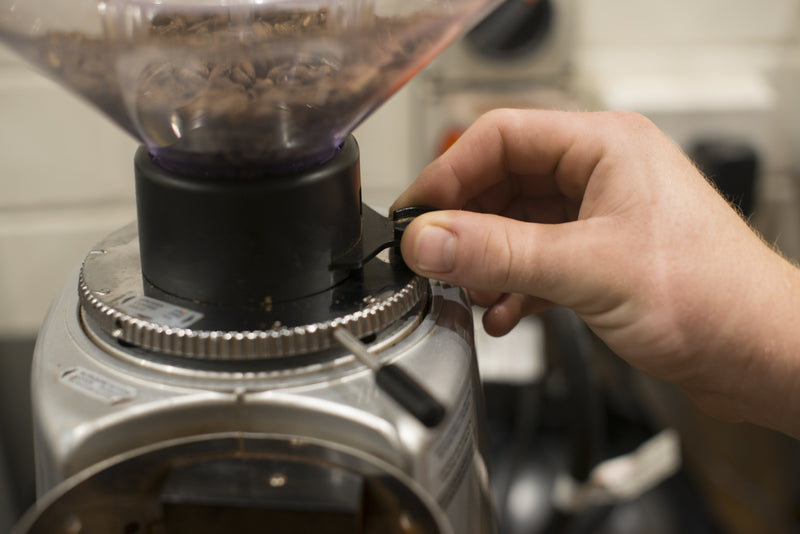
Keeping a grinder clean protects flavor. Old coffee oils and grounds cause rancid tastes and clog burrs. Regular upkeep preserves grind consistency and reduces wear on the motor and burrs.
Proper maintenance helps you hit the same extraction targets day after day. That means better crema for espresso and clearer flavors for pour-over or drip. Good care also lowers repair costs and avoids sudden breakdowns.
Source: com.au
Types of grinders and how maintenance differs
Understanding your grinder type helps apply the right coffee grinder maintenance tips.
- Blade grinders
- Use spinning blades to chop beans. They are cheap but give uneven grind. Cleaning is quick but will not correct off grind distribution.
- Burr grinders (conical or flat)
- Crush beans between burrs for consistent particle size. Burrs need regular cleaning, occasional deep cleaning, and eventual replacement.
- Manual vs electric
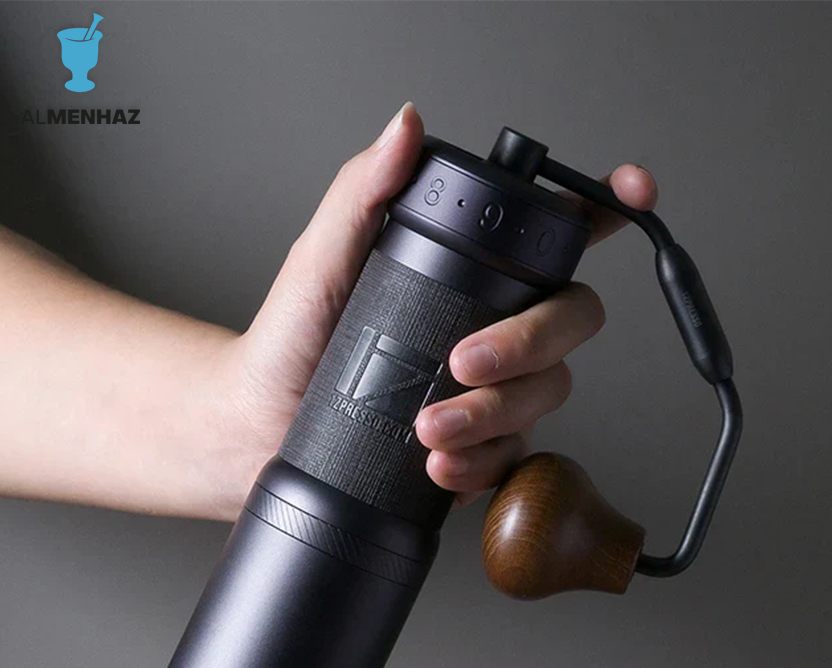
- Manual grinders have fewer moving parts. They need less frequent motor care but still demand burr cleaning. Electric grinders require attention to motors, vents, and electrical safety.
Choose cleaning tools and intervals that match your grinder type. Burr grinders benefit most from routine calibration and inspection.

Source: youtube.com
Simple maintenance schedule you can follow
A clear schedule makes coffee grinder maintenance tips actionable.
- Daily
- Brush out loose grounds after each use. Wipe hopper lid and dosing area.
- Weekly
- Empty the hopper and brush or vacuum inside. Check for oily build-up on burrs.
- Monthly
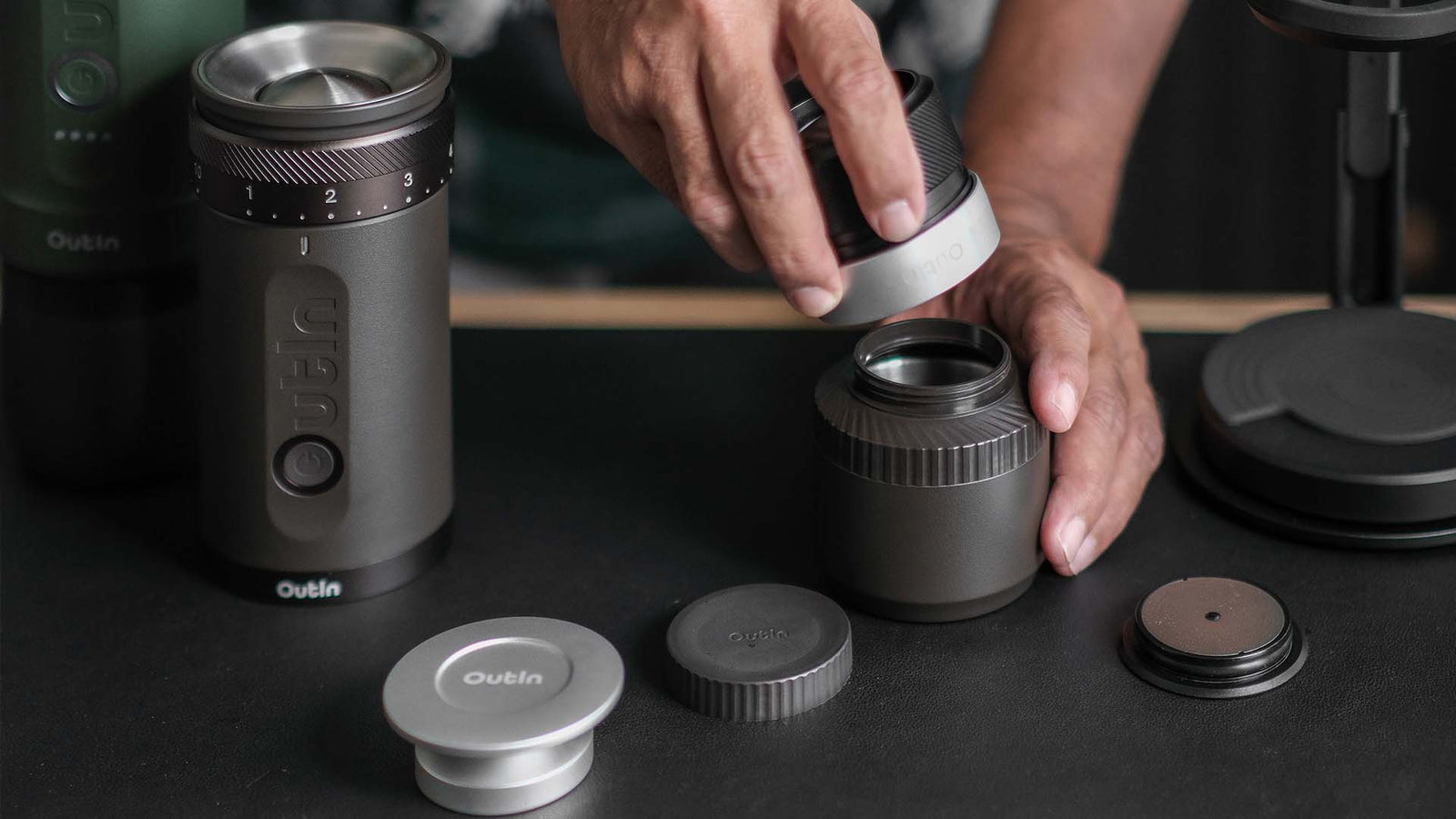
- Deep clean burrs and disassemble removable parts. Inspect for wear and alignment.
- Every 6–12 months
- Replace burrs if you grind daily and notice reduced performance. Check motor and professional servicing for commercial units.
This schedule balances flavor and machine longevity. Adjust frequency if you use oily beans or high daily volume.
Source: outin.com
Step-by-step cleaning guide
Below are safe, stepwise coffee grinder maintenance tips for both burr and blade grinders.
Burr grinders — quick clean
- Unplug the grinder and remove the hopper.
- Brush loose grounds from the hopper and upper burr with a nylon brush.
- Reassemble and run a small dose of beans to clear remaining particles.
- Wipe exterior surfaces with a damp cloth.
Burr grinders — deep clean
- Unplug and remove hopper, beans, and removable parts.
- Remove the top burr following the manufacturer’s guide.
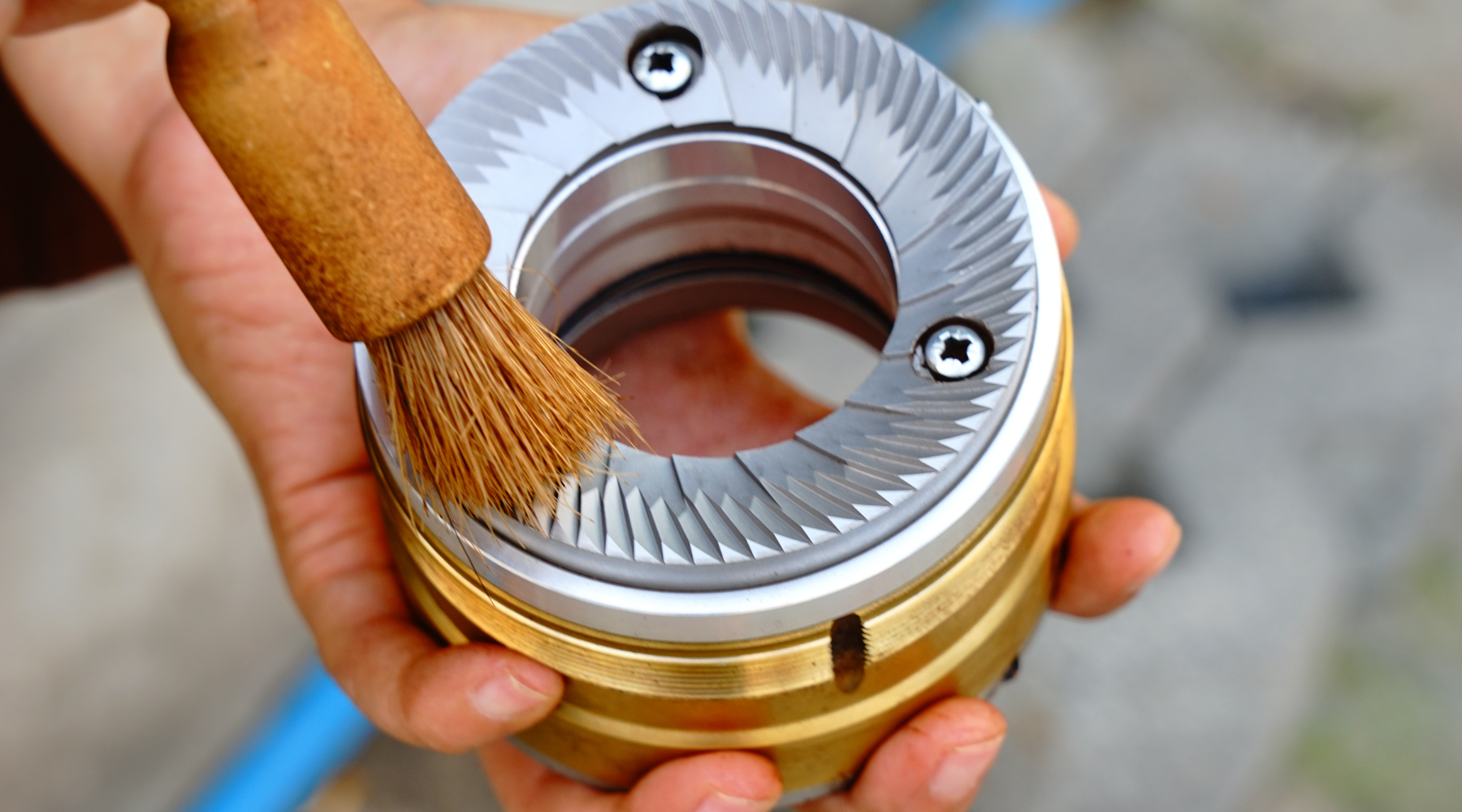
- Use a stiff, soft brush to remove compacted grounds from both burrs.
- Optional: vacuum the chamber to remove fine dust.
- Reinstall burrs carefully, ensuring proper alignment.
- Run 20–30 grams of beans then discard the first grind to clear any residue.
Blade grinders
- Unplug and empty the chamber.
- Wipe with a dry cloth and use a small brush to clear grounds.
- Do not submerge the motor base in water. For stuck particles, pulse a few rice grains carefully then discard and brush out residue.
Safety tip: never use soap on metal burrs unless recommended. Oils can absorb soap and affect flavor.

Source: staresso.com
Replacing and calibrating burrs
Knowing when and how to replace burrs is a core coffee grinder maintenance tip.
- Signs to replace burrs
- Slower grinding, inconsistent particle size, and tasting dull or bitter coffee.
- Replacement interval
- Home use: 500–1,000 pounds of coffee is a common guideline for replacement. For daily heavy use, plan for 6–12 months.
- Calibration after replacement
- Set grind size to a familiar setting. Test and adjust with small doses until shot times or brew extraction match your target.
Properly installed burrs restore performance. Always follow manufacturer torque and alignment notes to avoid uneven wear.
Source: staresso.com
Troubleshooting common problems
Quick fixes tied to coffee grinder maintenance tips.
- Static cling
- Use a metal distribution tool or a small humidity increase. Grinding a few rice grains occasionally can reduce static buildup.
- Inconsistent grind
- Clean burrs and check alignment. Replace worn burrs if inconsistencies persist.
- Motor overheating or strange smells
- Stop use, unplug, and inspect vents for blockage. Professional servicing may be required for persistent electrical smells.
- Grinder jam
- Unplug and gently remove lodged beans. Avoid forcing parts; consult the manual if jams are frequent.
Record problems and dates of maintenance to spot patterns and prevent repeat issues.

Source: commonroomroasters.com
Tools, supplies, and safe cleaning products
Stocking the right tools makes coffee grinder maintenance tips easier to follow.
- Small nylon brush for burrs and chambers
- Soft cloth or microfiber towel for surfaces
- Vacuum or small dust blower for fine grounds
- Grinder cleaning pellets for periodic deep cleaning when recommended
- Screwdrivers or hex keys for disassembly, per manufacturer
- Replacement burr sets and manufacturer-approved parts
Avoid harsh solvents and water on bearings or electrical parts. Use products designed for food equipment to protect taste and safety.
Source: almenhaz.com
Personal experience: lessons from years of maintenance
I have serviced grinders in my home and helped local cafés keep consistent grind. Two lessons stand out.
- Small, frequent cleaning beats occasional deep scrubs. Brushing daily prevents oil buildup that later requires time-consuming deep cleans.
- Don’t delay burr replacement. I learned that running worn burrs costs more in inconsistent shots and wasted beans than replacing burrs on schedule.
One mistake I made early on was using dish soap on burrs. That left residual flavor until I fully seasoned the grinder again. Now I follow manufacturer guidance and use neutral cleaning pellets when needed.

Source: youtube.com
Common quick questions (PAA-style)
How often should I clean my grinder?
Clean daily by brushing loose grounds, and do a monthly deep clean for burr grinders to maintain grind quality.
Can I use rice to clean my grinder?
Occasional pulsing with dry rice can remove residues and reduce static in blade grinders, but avoid overuse and do not use rice on burrs unless manufacturer allows.
Do grinder cleaning pellets work?
Yes, cleaning pellets can remove oils and fine residue when used per instructions, but they do not replace manual burr inspection and brushing.
Frequently Asked Questions about Coffee Grinder Maintenance Tips
1. How often should I replace my grinder’s burrs?
Replace burrs after heavy use or when you notice grind inconsistency; typical home guidelines range from 500 to 1,000 pounds of coffee.
2. Is it okay to wash grinder parts with water?
Wash only removable, non-electrical parts if the manufacturer permits. Never submerge motor bases or bearings.
3. What causes a bitter taste after grinding?
Rancid oils from old grounds or oily beans left in the grinder can cause bitterness; deep clean and discard old grounds to fix this.
4. Can I clean my grinder with a vacuum?
Yes. A small handheld vacuum or nozzle can safely remove fine grounds from hoppers and chambers during deep cleaning.
5. Will using oily beans increase maintenance needs?
Yes. Oily beans leave more residue and require more frequent cleaning and potentially earlier burr replacement.
6. How do I reduce grind retention?
Empty the hopper between roasts and clean the dosing chamber. Use grinds that match your dosing method to minimize retained coffee.
7. Is professional servicing necessary?
For commercial grinders or if you encounter motor issues, professional servicing ensures safety and correct repairs.
Conclusion
Regular attention to these coffee grinder maintenance tips preserves flavor, improves consistency, and prolongs equipment life. Start with daily brushing, follow a monthly deep-clean routine, and replace burrs when performance drops. Small habits lead to big improvements in every cup.
Take action this week: pick one maintenance task from the schedule and do it after your next brew. Share your experience, subscribe for more guides, or leave a comment with your grinder model and questions.