
Are your brick floors looking dull or dirty? You might think cleaning them is tough, but it doesn’t have to be.
With the right steps, you can bring back their natural beauty and keep them shining for years. In this guide, you’ll discover simple, effective ways to clean your brick floors without damaging them. Ready to learn how to make your brick floors look fresh and inviting again?
Keep reading—you’ll be surprised how easy it can be!

Credit: www.themintedvintage.com
Choosing The Right Cleaning Tools
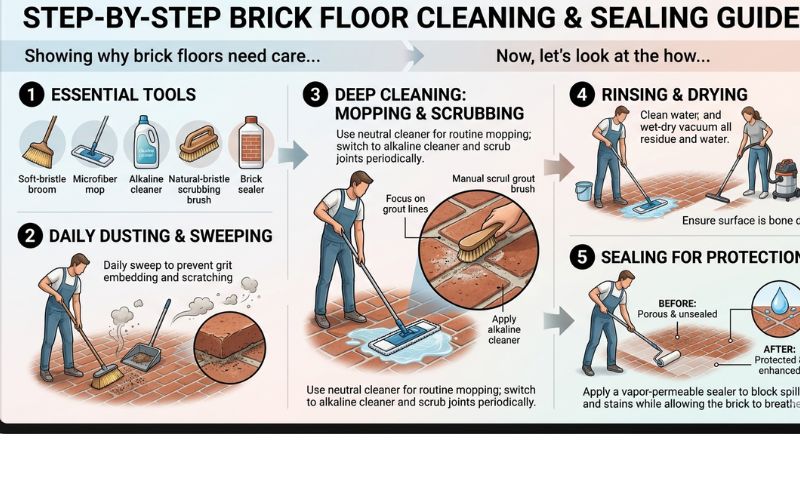
Choosing the right tools for brick floor cleaning is key to good results. The right tools make cleaning easier and protect your floor. Different tools serve different purposes. Knowing which tools to use helps keep your brick floor clean and looking fresh.
Brushes And Brooms
Brushes and brooms remove dirt and dust from brick floors. Use stiff-bristled brushes for tough grime. Soft-bristled brooms work well for daily sweeping. Choose brushes with comfortable handles. This helps reduce hand strain during cleaning.
Vacuum Options
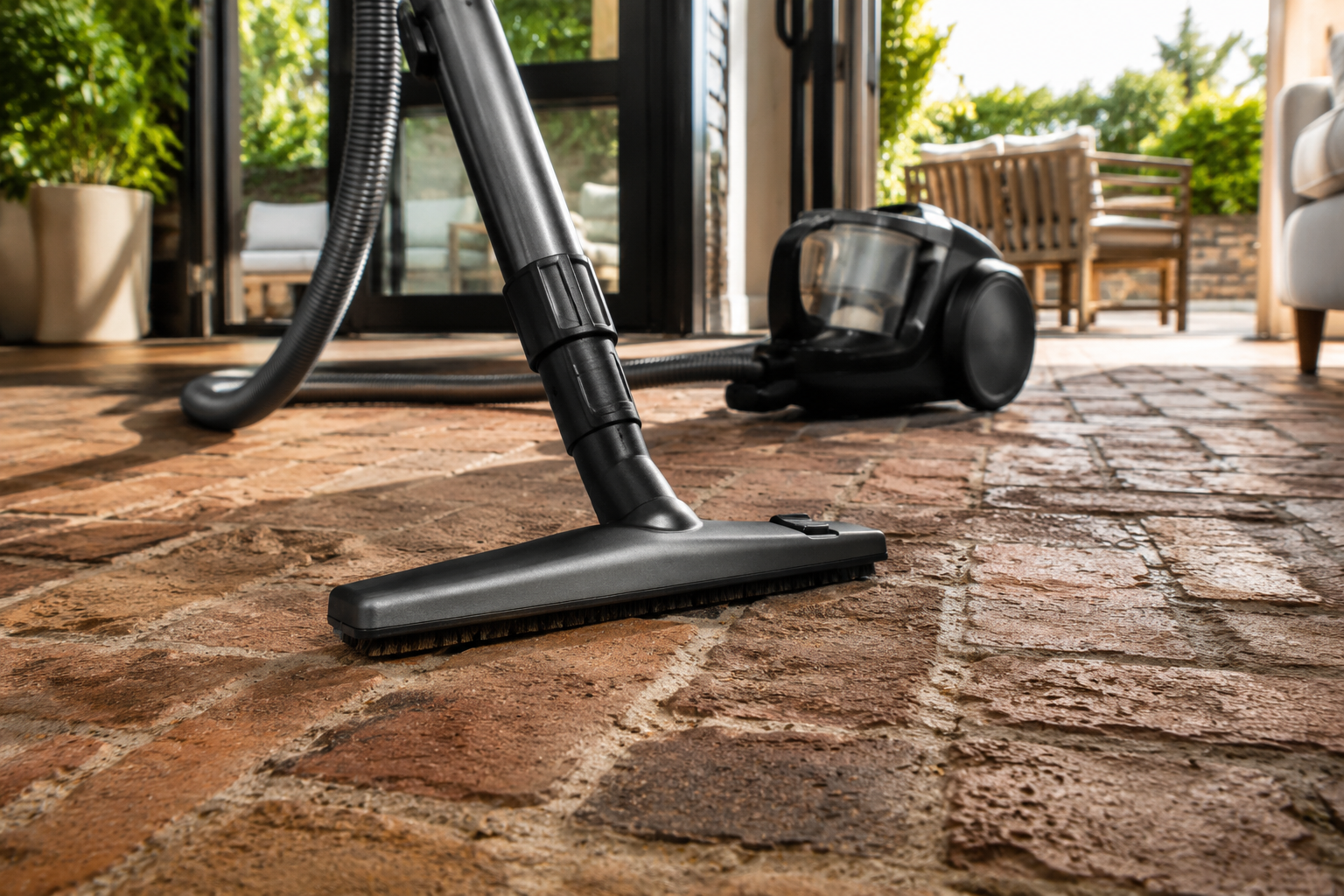
Vacuum cleaners help remove loose dirt quickly. Use vacuums with strong suction and a hard floor setting. Avoid models with rotating brushes that can damage bricks. Cordless vacuums offer easy movement around rooms. Make sure the vacuum has good filters to trap dust.
Mops And Cloths
Mops and cloths clean deeper stains and spills. Use microfiber cloths for gentle, effective cleaning. Wet mops with a mild detergent work best on brick floors. Avoid soaking the floor with too much water. Wring out mops well to prevent damage.
Preparing The Floor For Cleaning
Preparing a brick floor for cleaning is an important step. It helps the cleaning process work better. Proper preparation protects the bricks and makes the floor look fresh.
Start by removing loose dirt and objects. This prevents scratches and damage during cleaning. Also, testing cleaning solutions first avoids stains or discoloration on the brick surface.
Clearing Debris
Begin by sweeping the floor with a broom. Pick up leaves, dust, and small stones. Use a vacuum for hard-to-reach corners. Make sure the floor is dry before sweeping. This removes loose dirt and prevents it from spreading.
Check for large debris like sticks or trash. Remove these by hand to avoid damage. Clearing debris helps the cleaning solution work directly on the brick.
Testing Cleaning Solutions
Choose a small, hidden area on the floor. Apply a small amount of the cleaning solution. Wait 10 to 15 minutes to see the effect. Look for any color change or damage.
If the brick looks the same, the solution is safe. If not, try a milder cleaner or a different method. Testing prevents harmful reactions and keeps the floor looking natural.
Effective Cleaning Techniques
Effective cleaning techniques keep brick floors looking fresh and last longer. Dirt, dust, and stains can damage the bricks over time. Choosing the right cleaning method protects the floor and restores its beauty. Both dry and wet cleaning methods have their place. Use the right approach for your floor’s condition and type of dirt.
Dry Cleaning Methods
Dry cleaning is gentle and safe for regular use. Sweeping or vacuuming removes loose dirt and dust. Use a soft broom or brush to avoid scratching the surface. Microfiber dust mops work well on smooth brick floors. For stubborn debris, use a handheld vacuum with a brush attachment. Dry cleaning prevents dirt from grinding into the bricks.
Dry cleaning is fast and does not use water. It helps keep bricks dry and reduces mold risk. It is ideal for light dirt and routine maintenance. Avoid harsh scrubbing that can damage the brick’s surface.
Wet Cleaning Approaches
Wet cleaning is best for removing stains and deep dirt. Use warm water with a mild detergent or brick cleaner. Avoid acidic or harsh chemicals that can erode the bricks. Apply the solution with a soft brush or mop. Work in small sections for even cleaning.
After scrubbing, rinse the floor well with clean water. Use a wet vacuum or mop to remove excess moisture. Allow the floor to dry completely to prevent mold growth. Wet cleaning refreshes brick floors and removes tough grime.
Removing Stains And Tough Dirt
Removing stains and tough dirt from brick floors can be challenging. Brick is porous and traps dirt easily. Simple cleaning may not remove deep stains. Using the right methods helps restore the floor’s look. Choose safe and effective cleaning solutions to protect the brick.
Natural Cleaners
Natural cleaners are gentle and eco-friendly. A mix of baking soda and water forms a paste. Apply it to stains and let it sit for 10 minutes. Scrub lightly with a soft brush. Rinse with clean water afterward.
White vinegar diluted with water works well on grease stains. Spray the solution and wipe with a cloth. Avoid strong acids that can damage the brick surface.
Commercial Products
Commercial cleaners offer strong stain removal power. Pick products made for brick or masonry. Follow the instructions carefully to avoid harm.
Use a stiff-bristle brush to scrub stubborn dirt. Wear gloves to protect your skin. Rinse thoroughly to remove all residue. Test cleaners on a small area first to check for color changes.
Maintaining A Sparkling Finish
Keeping your brick floor clean is only part of the process. Maintaining a sparkling finish requires extra care. This helps your floor look fresh and lasts longer. Proper maintenance protects the brick from stains and wear. Follow simple steps to keep your floor shining daily.
Sealing The Brick
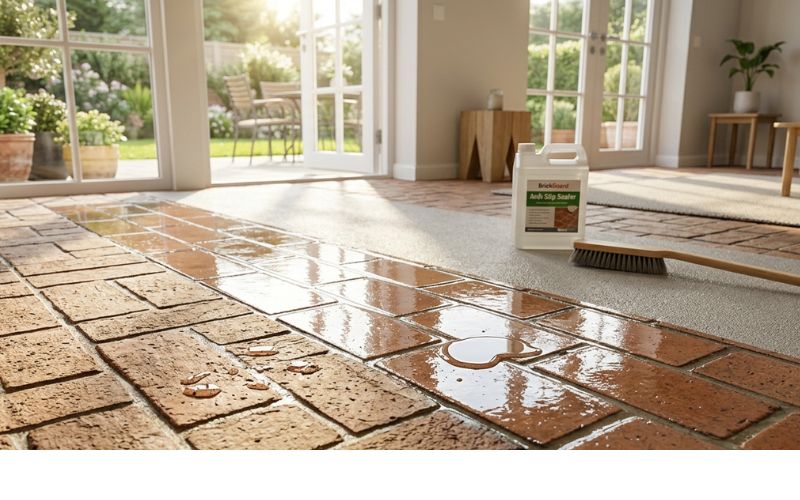
Sealing bricks creates a protective layer on the surface. It stops dirt and moisture from soaking into the brick. Use a good quality sealer made for brick floors. Apply it evenly with a brush or roller. Let the sealer dry completely before walking on the floor. Reseal the floor every 1 to 3 years to keep protection strong. Sealing also makes cleaning easier and quicker.
Regular Upkeep Tips
Sweep your brick floor daily to remove dust and debris. Use a soft broom or vacuum with a brush attachment. Mop the floor weekly with warm water and mild soap. Avoid harsh cleaners that can damage the brick. Dry the floor after mopping to prevent water spots. Clean spills immediately to stop stains. Place mats at entrances to reduce dirt from shoes. These small habits keep your brick floor bright and healthy.

Credit: www.northcountrynest.com
Frequently Asked Questions
How Often Should I Clean My Brick Floor?
Clean your brick floor every few weeks to prevent dirt buildup and maintain its look.
What Is The Best Cleaner For Brick Floors?
Use a mild detergent mixed with warm water for safe and effective brick floor cleaning.
Can I Use A Pressure Washer On Brick Floors?
Yes, but use low pressure to avoid damaging the bricks or mortar.
How Do I Remove Stains From Brick Floors?
Apply a paste of baking soda and water, scrub gently, and rinse with clean water.
Should I Seal My Brick Floor After Cleaning?
Sealing protects your floor from stains and wear, making it easier to clean later.
Conclusion
Cleaning brick floors takes time and care. Use gentle cleaners and soft brushes. Avoid harsh chemicals that can damage bricks. Regular cleaning keeps floors looking fresh and bright. Dry the floor well to stop mold growth. Small steps make a big difference.
A clean brick floor adds charm to any space. Keep these tips in mind for lasting results. Simple habits help maintain your floor’s beauty. Try these easy methods and enjoy a clean brick floor every day.