

To use an electric pressure cooker, first add your ingredients, then select the appropriate cooking setting. Ensure the lid is securely locked before starting the cooker.
Electric pressure cookers have revolutionized the art of quick and efficient meal preparation. They combine the speed of pressure cooking with the ease of automated controls. Perfect for busy households, these versatile appliances can significantly reduce cooking time for a variety of dishes, from hearty stews to perfectly cooked grains.
With an array of functions, they can sauté, steam, and even make yogurt, all in one pot. The user-friendly design typically includes a digital panel that guides you through settings for specific foods, ensuring a foolproof cooking experience every time. Safety features are paramount in these devices, with built-in mechanisms to regulate pressure and temperature, taking the guesswork out of what used to be an intimidating cooking method. Embrace the convenience of an electric pressure cooker and transform the way you prepare your meals.
Introduction To Electric Pressure Cookers
Welcome to the modern kitchen revolution, where electric pressure cookers play a starring role. If you love quick, healthy, and flavorful meals, understanding these handy appliances is key. In this introduction, learn about their definition, benefits, and how they stack up against traditional stoves.
What Is An Electric Pressure Cooker?
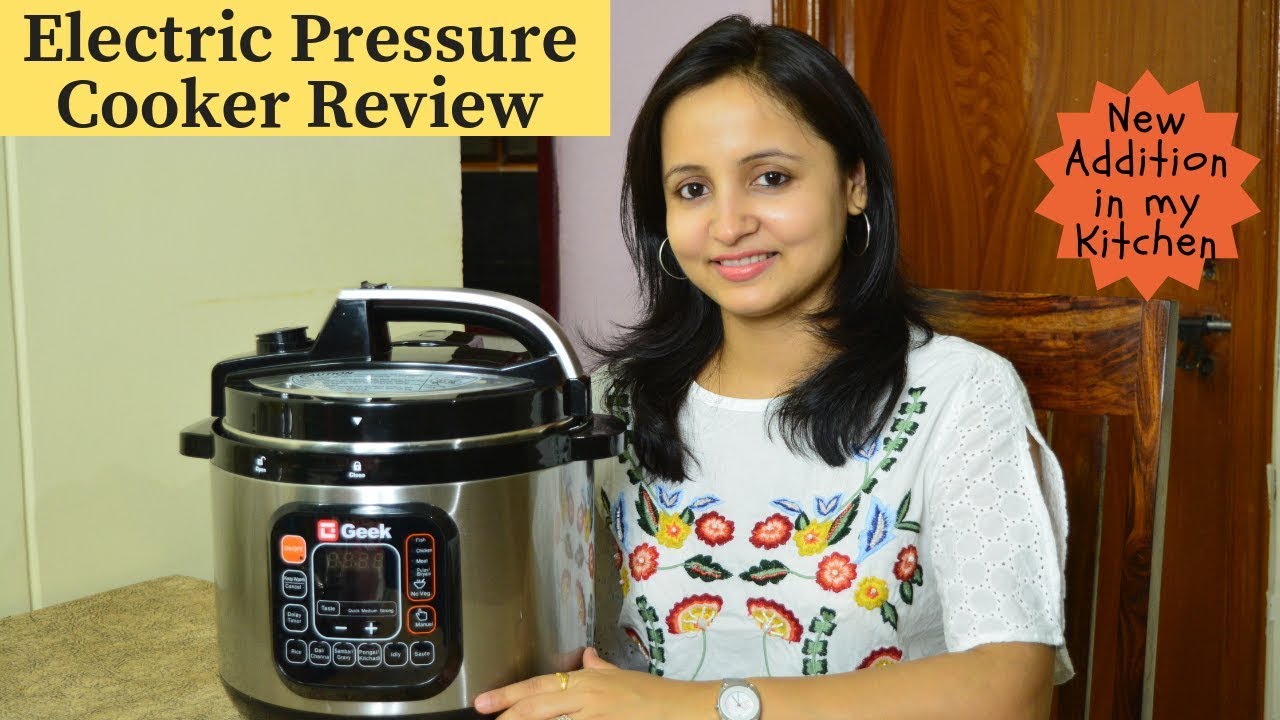
An electric pressure cooker is a countertop appliance. It cooks food under pressure created by trapped steam. This kitchen tool is plug-and-play. Just add ingredients, set the timer, and wait for delicious results.
Benefits Of Using An Electric Pressure Cooker
- Time-saving: Cook meals up to 70% faster.
- Energy-efficient: Uses less electricity than ovens.
- Versatility: Sauté, steam, cook rice, and more.
- Consistent results: Get the same tasty dish every time.
- Safe: Built with auto-shut-off features and lock lids.
Comparing Electric Pressure Cookers With Traditional Pressure Cookers
| Feature | Electric Pressure Cookers | Traditional Pressure Cookers |
|---|---|---|
| Heat Source | Electric, built-in | Stove, external |
| Control | Programmable settings | Manual monitoring |
| Safety | Auto-lock, safety valves | Weighted valve |
| Cooking Speed | Fast and precise | Depends on heat source |
Credit: www.youtube.com
Understanding Your Electric Pressure Cooker
Welcome to the thrilling world of electric pressure cookers! Embrace the efficiency and marvel at how this high-tech kitchen device transforms your cooking experience. Dive in to fully understand your electric pressure cooker and unveil the secrets to lightning-fast meals packed with flavor.
Anatomy Of An Electric Pressure Cooker
An electric pressure cooker is like a super-charged pot designed to cook food quickly under pressure. It can seem complex, but it’s easy once you know the parts:
- Inner Pot: This removable container holds your food and liquids.
- Lid: Seals the pot, essential for pressure building.
- Sealing Ring: Ensures a tight closure, pivotal for safety.
- Pressure Valve: Controls pressure levels inside the pot.
- Heating Element: Found at the base, it heats the contents.
Key Features And Functions
Your electric pressure cooker boasts a variety of settings designed for specific foods and cooking methods. Familiarize yourself with these:
- Manual/Pressure Cook: Set custom cook times and pressures.
- Sauté/Brown: Brown ingredients before pressure cooking.
- Steam: Perfect for veggies and fish.
- Slow Cook: Mimics a slow cooker for longer cook times.
- Keep Warm/Cancel: Maintains temperature or stops the cooking process.
Safety Mechanisms And Certifications
Electric pressure cookers are equipped with several safety features:
- Locking Lid: Prevents opening under pressure.
- Pressure Release Valve: Manages and releases built-up pressure.
- Anti-Blockage Vents: Stop food from blocking vents.
- Automatic Temperature Control: Prevents overheating.
Certifications like UL and ETL indicate your cooker meets safety standards.
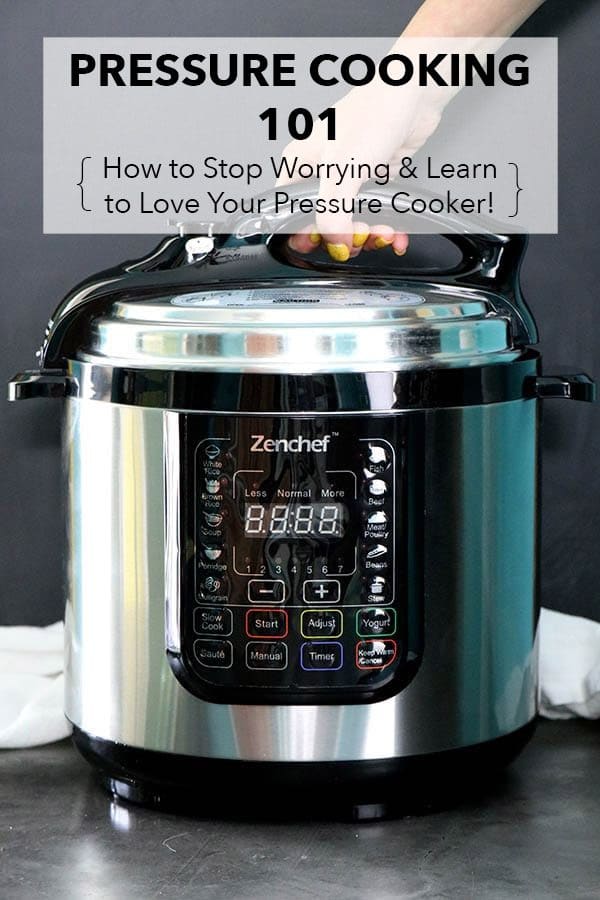
Deciphering The Control Panel
Each model has a unique control panel, but most feature similar elements:
| Symbol/Button | Function |
|---|---|
| Time Display | Shows cooking time. |
| Pressure Indicator | Reflects current pressure level. |
| Program Settings | Offers preset cooking options. |
| Adjust Buttons | Customize time and pressure. |
| Start/Stop | Commences or halts cooking. |
Take time to practice, and soon, operating your electric pressure cooker will become second nature.
Getting Started With Your Electric Pressure Cooker
Welcome to the world of efficient cooking with your new electric pressure cooker! Say goodbye to long hours in the kitchen. This versatile appliance reduces cooking time and enhances flavors. Follow these steps to start your culinary journey and make the most out of this splendid device.
Initial Setup And Cleaning
Before using your pressure cooker, follow these simple steps:
- Unbox and remove all packaging materials.
- Read the instruction manual carefully.
- Clean all parts as directed, usually with warm soapy water.
- Dry all components thoroughly before assembly.
- Insert the inner pot and ensure it sits flat.
Water Test Run: Ensuring Proper Function
Perform a water test run to confirm your cooker’s functionality:
- Fill the inner pot with 2 cups of water.
- Close the lid securely and set the valve to the sealing position.
- Select a short cooking cycle (e.g., Steam).
- Let the cycle complete and release the pressure.
- Open the lid once the pin drops, ensuring safety.
Adjusting Recipes For Pressure Cooking
Your favorite recipes can be adapted for pressure cooking:
| Original Cooking Method | Pressure Cooking Conversion |
|---|---|
| Oven | Reduce cooking time by two-thirds |
| Stovetop | Reduce cooking time by half |
Tips For First-time Use
Keep these tips in mind for a smooth first experience:
- Start with simple recipes to build confidence.
- Never overfill the pot, especially with frothy foods.
- Use enough liquid to create steam and build pressure.
- Cut meat into even pieces for uniform cooking.
- Remember that less is more when seasoning.
Credit: www.glueandglitter.com
Advanced Techniques And Maintenance
Welcome to the world of electric pressure cooking, where convenience meets modernity! While basic operations are simple, mastering advanced techniques can unlock the full potential of your kitchen companion. To maintain performance, ensure a regimen that keeps your appliance functioning like new. Let’s delve into seasoned insights and practical tips!
Mastering Various Cooking Functions
Dive beyond standard cook settings. Your electric pressure cooker features modes for sautéing, slow cooking, and even yogurt making. Experiment with each function. Explore settings to discover how to craft perfect risottos, tender stews, or homemade creamy yogurt. Combine functions to achieve complex flavors or perfect textures. It’s all about trial, error, and culinary adventure.
Pressure Release Methods Explained
- Natural Release: Wait for pressure to drop on its own, ideal for stews.
- Quick Release: Open the valve to drop pressure immediately for delicate items.
- Combination: Mix methods for optimal results, check your manual for specifics.
Cleaning And Care For Longevity
- After each use, clean the pot, lid, and sealing ring.
- Avoid abrasive cleaners, stick with damp cloths and soft brushes.
- Check the valve and port often. Clean them to prevent clogging.
- Store with the lid inverted to protect the seal and keep it fresh.
Troubleshooting Common Issues
| Issue | Solution |
|---|---|
| Lid Won’t Seal | Ensure the valve is clean and free of debris. |
| Food Undercooked | Increase cook time or check seal. |
| Pressure Loss | Ensure valve is clean and free of debris. |

Credit: www.pressurecookingtoday.com
Frequently Asked Questions on How To Use An Electric Pressure Cooker
How Do You Use A Pressure Cooker For Beginners?
Begin by adding food and liquid to the pressure cooker, ensuring it is not overfilled. Secure the lid and set the valve to “seal”. Choose the appropriate cooking time. Once it reaches pressure, start timing. After cooking, release the pressure using natural or quick-release methods.
Open the lid carefully.
What Are The Steps In Using A Pressure Cooker?
Begin by adding food and liquid to the cooker, ensuring it doesn’t exceed the fill line. Secure the lid tightly, adjust the pressure setting as required, and place the cooker over the heat. Once pressure builds, start your timer. After cooking, release the pressure using a natural or quick-release method
What Can You Cook In An Electric Pressure Cooker?
An electric pressure cooker can quickly and efficiently prepare soups, stews, beans, meats, grains, vegetables, and even desserts.
What Is The Difference Between A Pressure Cooker And An Electric Pressure Cooker?
A pressure cooker is stovetop-operated, while an electric pressure cooker plugs in and offers programmable features.
What Is An Electric Pressure Cooker?
An electric pressure cooker is a kitchen device that uses electricity to create a sealed environment where steam pressure cooks food quickly and efficiently.
Conclusion
Embracing the convenience of electric pressure cookers transforms meal prep into a swift, enjoyable process. Master your kitchen with this versatile tool that simplifies complex dishes and saves precious time. Get creative and let your culinary adventures soar. Ready, set, cook—unlock a world of flavors at the push of a button.