
Blot fresh spills fast, test cleaners, then use mild detergent or upholstery cleaner to lift stains.
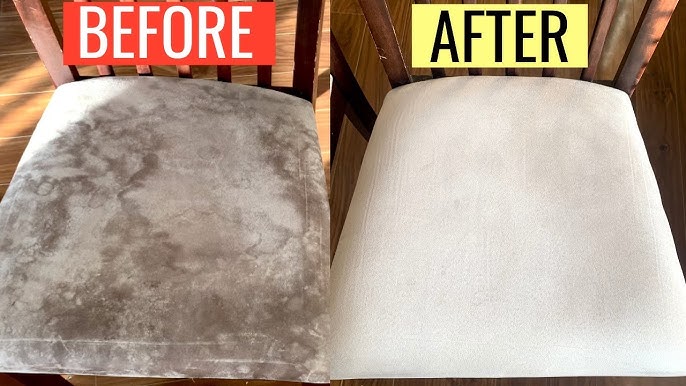
I’ve cleaned hundreds of chairs over the years and learned what works — and what ruins fabric. This guide explains exactly how to remove stains off fabric chairs? step by step, with safe cleaners, real tips, and stain-specific methods so you can restore your upholstery without guessing.

Why stains happen and why fabric matters
How to remove stains off fabric chairs? starts with knowing why stains set and how fabrics react. Some fabrics soak up spills fast. Others have surface coatings that resist water but trap oils. Fibers, weaves, and factory finishes change how a stain behaves.
Key factors that affect staining
- Fabric type: natural fibers like cotton absorb quickly. Synthetic fibers like polyester resist water but attract oils.
- Finish and protectors: stain-resistant coatings delay absorption.
- Time: fresh stains are much easier to remove than old, set stains.
- Heat: heat can set many stains permanently.
Knowing your fabric code helps. Look for tags marked W, S, WS, or X. They tell you which cleaners are safe and shape your plan for how to remove stains off fabric chairs?.

Before you start: inspect, test, and prepare
How to remove stains off fabric chairs? safely begins with testing. Always test a cleaner in an unseen spot. You want to avoid color loss, shrinkage, or fabric damage.
Quick prep steps
- Vacuum the chair to remove loose dirt and dust.
- Identify the fabric code (W, S, WS, X) on the tag.
- Blot any fresh spill with a clean white cloth; do not rub.
- Test your chosen cleaner in an inconspicuous area for 30–60 seconds.
Tools you should have on hand
- Clean white microfiber cloths
- Soft-bristle brush or toothbrush
- Spray bottle
- Mild liquid dish soap, white vinegar, rubbing alcohol
- Commercial upholstery cleaner (if tag allows)
- Paper towels and a small bowl
A calm test-first approach will save your chair. That one step answers much of how to remove stains off fabric chairs? without surprises.

General stain removal steps you can use on most fabrics
How to remove stains off fabric chairs? follows a basic 5-step routine you can repeat as needed. These steps work for many common spills and set a standard method.
5-step routine
- Blot the spill with a dry white cloth to lift excess.
- Mix a cleaning solution appropriate for the fabric code.
- Apply cleaner sparingly. Work from the outside toward the center.
- Blot with a clean cloth to lift the stain. Repeat until it fades.
- Rinse lightly with water to remove residue, then blot dry. Air-dry fully.
PAA-style question: Will rubbing alcohol remove ink stains from upholstery?
- In many cases, yes. For fabrics labeled W or WS, dab rubbing alcohol on the ink, blot, and rinse. Always test first and avoid over-wetting.
PAA-style question: Is vinegar safe to use on fabric chairs?
- Diluted white vinegar is safe for many fabrics and can cut grease and odors. Test first, and do not use vinegar on delicate or silk-like fabrics.
These steps form the backbone for how to remove stains off fabric chairs? and help you tackle most problems without damaging fibers.

Specific stains and step-by-step fixes
How to remove stains off fabric chairs? becomes easier when you match the method to the stain. Below are common stains with clear steps.
Food and drink spills (coffee, tea, juice)
- Blot excess liquid immediately.
- Mix 1 teaspoon mild liquid dish soap with 1 cup cold water.
- Dab the solution on the stain with a cloth. Blot; do not rub.
- Rinse with a damp cloth and blot dry. Repeat if needed.
Red wine
- Blot fast. Sprinkle baking soda or table salt to absorb moisture for 10 minutes, then vacuum.
- Use mild soap solution or a commercial wine stain remover if tag allows. Blot and rinse.
Grease and oil
- Sprinkle cornstarch or baking soda to absorb oil for 15–30 minutes, then vacuum.
- Apply a small amount of dish soap diluted with water, blot, then rinse. Avoid heat.
Ink
- For fresh ink, blot with rubbing alcohol on a cloth. Test first.
- Blot from the outside in. Rinse and blot dry. Repeat until ink lifts.
Blood
- Use cold water; hot water sets blood. Blot with cold water and mild detergent.
- For dried blood, let a cold water soak sit for a few minutes, then blot and rinse.
Pet urine and odors
- Blot to remove as much liquid as possible.
- Use an enzyme-based cleaner to break down urine proteins. Follow product directions and air-dry fully to avoid odor return.
Sweat and body oils
- Mix equal parts water and white vinegar in a spray bottle. Lightly mist the area. Blot and let air dry. Repeat if necessary.
Spot tip from my experience: I once removed a stubborn mustard stain by combining salt to lift excess oil, then a dish soap solution and gentle brushing. Patience and small steps saved an expensive office chair.
:max_bytes(150000):strip_icc()/remove-dye-from-upholstery-6274273-V2-3838448a677641f19aef775ed41b8b9d.jpg)
Stain removal tools and safe cleaners
How to remove stains off fabric chairs? often depends on your tools. A few safe cleaners cover most cases. Always match cleaner to fabric code.
Recommended cleaners and uses
- Mild liquid dish soap: great for general stains on W and WS fabrics.
- White vinegar (diluted): deodorizes and lifts light stains on many fabrics.
- Rubbing alcohol: effective on ink and many dyes for S and WS fabrics.
- Enzyme cleaners: best for pet stains and organic spills.
- Commercial upholstery cleaners: follow label and fabric code.
Tools to keep handy
- White microfiber cloths for blotting
- Soft brush for gentle agitation
- Spray bottle for even application
- Small vacuum or handheld for pre-cleaning
Safety tips
- Do not use bleach on colored fabrics.
- Avoid steam or hot water on protein stains like blood.
- Use minimal liquid to prevent over-wetting and mildew.
These choices make it clear how to remove stains off fabric chairs? without risking dye loss or shrinkage.
When to call a pro and how to prevent future stains
How to remove stains off fabric chairs? has limits. Some stains and fabrics need professional care.
When to hire a pro
- Large or set-in stains that resist home methods.
- Delicate fabrics like silk, velvet, or antique upholstery.
- Chairs with complex padding that traps stains deep inside.
Prevention tips that save time
- Apply an upholstery protector when allowed by the manufacturer.
- Blot spills immediately. Quick action beats long scrubbing.
- Establish a cleaning routine: vacuum weekly and rotate cushions.
- Use washable slipcovers for high-traffic chairs.
Being proactive reduces stress and costs. If you ever doubt how to remove stains off fabric chairs?, a pro can prevent accidental damage.

Frequently Asked Questions of How to remove stains off fabric chairs?
How soon should I act after a spill?
Act immediately. The sooner you blot and treat a spill, the higher the chance of full removal.
Can I use bleach to remove stains on fabric chairs?
No. Bleach can strip color and weaken fibers. Use color-safe products or test cleaners first.
Will steam cleaning remove old stains?
Steam can help but may set some stains if used incorrectly. For old, set-in stains, professional cleaners often have the best results.
How do I know my chair’s fabric code and what it means?
Check the tag under cushions or on the chair base. W allows water-based cleaners, S allows solvents, WS allows both, and X means vacuum only.
Can I use dish soap on every fabric?
Dish soap works on many fabrics labeled W or WS, but always test a small hidden area first to ensure no color change.
Conclusion
You can confidently remove most spills if you know the fabric, act fast, and use gentle, tested cleaners. Follow simple steps: blot, test, treat, rinse, and dry. Protect chairs with routine care and quick action to avoid costly repairs.
Try the methods above on a small spot first, then tackle the whole stain. If a stain resists, consider professional cleaning. Share your results, ask questions below, or subscribe for more practical cleaning tips.