
Use a simple rinse, measure water carefully, press cook, then let the rice rest.
I’ve cooked rice with electric rice cookers for years in busy kitchens and home nights alike. This guide explains how to operate electric rice cooker step by step, with clear tips, common fixes, and easy recipes. I combine hands-on experience with tested best practices so you can cook great rice every time.

How an electric rice cooker works
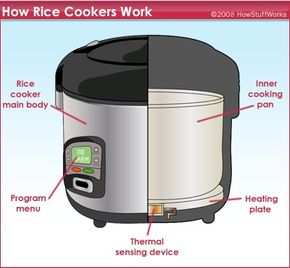
An electric rice cooker uses a heated plate and a thermostat or microchip to cook rice evenly. The cooker brings water to a boil and senses when the water is absorbed or evaporated, then switches to a keep-warm mode. Knowing this basic cycle helps when you learn how to operate electric rice cooker settings and choose the right water ratio.
Most modern models add features like steam baskets, fuzzy logic, and push-button menus. These features change timing but not the basic steps of how to operate electric rice cooker equipment. Once you know the core idea, you can use basic and advanced models with confidence.
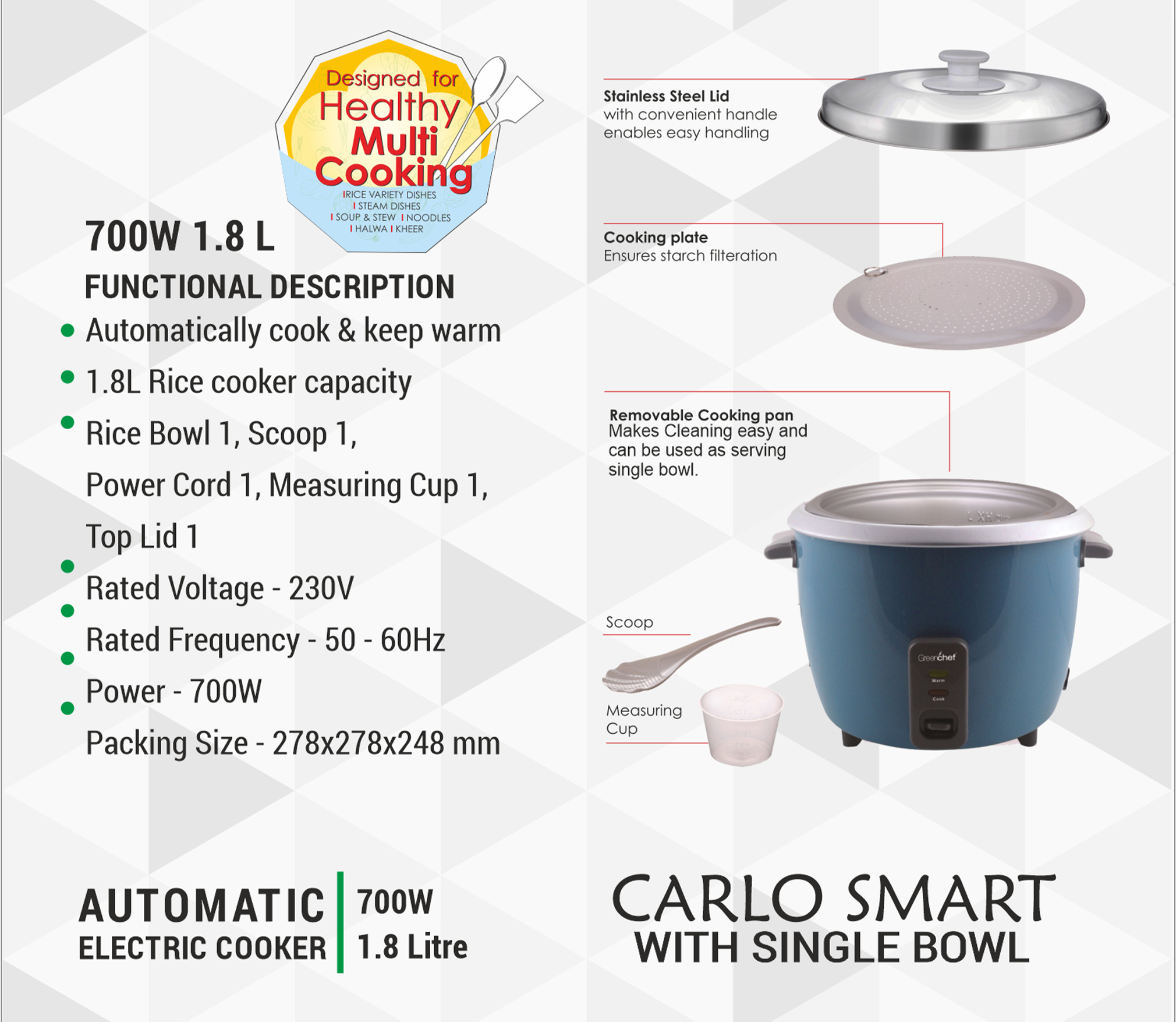
How to operate electric rice cooker: Step-by-step guide
Follow these clear steps to learn how to operate electric rice cooker safely and reliably.
-
Prepare the rice
-
Rinse rice until the water runs clearer to remove excess starch and dust. This gives fluffier rice and reduces sticking when you operate electric rice cooker cycles.
-
Measure rice with the cup that came with the cooker or use 1 cup = 240 ml standard.
-
Measure water
-
Use the cooker’s inner pot markings or the common ratio of 1:1 for sushi rice, 1:1.25 for long-grain white, and 1:1.5–1:2 for brown rice. Adjust for your brand and grain type when you operate electric rice cooker for different styles.
-
For firmer rice, use a touch less water; for softer rice, add a touch more.
-
Add flavor and extras
-
Add a pinch of salt, a splash of oil, or a pat of butter before cooking. You can add rinsed beans or small vegetables for one-pot meals using the rice cooker.
-
Stir gently once, then place the inner pot in the cooker.
-
Choose settings and start
-
Close the lid and select the correct program—white rice, brown rice, porridge, or steam. Press the cook or start button to begin and let the cooker do the rest.
-
If using a manual model, switch to the “cook” position. Replace the lid and avoid lifting it while cooking.
-
Let it rest after cooking
-
When the cooker clicks to keep-warm, let the rice rest 8–12 minutes before opening the lid. This step finishes steaming and firms the grains.
-
Fluff with a fork or rice paddle to separate grains.
-
Serve and store
-
Serve hot, or cool quickly and store in an airtight container in the fridge for up to 4–5 days. Reheat with a splash of water to restore moisture.
-
Clean the inner pot and steam vent after the cooker cools.
Tips for perfect rice every time
Small habits change results when you learn how to operate electric rice cooker like a pro.
- Use the right cup — match the rice cup to your cooker’s markings for accurate ratios.
- Rinse until water is mostly clear for lighter and less sticky rice.
- Use fresh rice — older rice can need slightly more water.
- Let rice rest after cooking to finish steam gently and avoid mushy texture.
- Avoid lifting the lid during cooking; it adds time and can make rice uneven.
- For brown rice, add 10–15 minutes to the resting time and a bit more water.
- Use the steam tray for fish or vegetables to make a one-pot meal while you operate electric rice cooker.
Common problems and troubleshooting
If your rice is too hard, mushy, or sticks to the pot, small fixes will help when you operate electric rice cooker.
- Rice too hard — add a couple tablespoons of hot water, close the lid, and let it steam on warm for 5–10 minutes.
- Rice too mushy — reduce water by 5–10% next time and avoid stirring before cooking.
- Rice sticking — apply a thin coat of oil to the inner pot or use a nonstick insert, and rinse rice well.
- Cooker won’t start — check the power cord, outlet, and that the inner pot sits correctly on the heating plate.
- Strange smell or smoke — unplug and inspect the heating plate for residue; clean thoroughly before trying again.

How long should I let rice rest after cooking?
Rest rice 8–12 minutes to allow steam to finish cooking the grains. This step improves texture and separation.
Can I cook other grains with my rice cooker?
Yes. Quinoa, barley, and steel-cut oats work well. Adjust water ratios and settings based on grain type.
What if my cooker switches to warm too early?
This often means the water was absorbed too quickly or the thermostat is sensitive. Add a few tablespoons of water and let it steam, then check model-specific tips.
Cleaning and maintenance
Good care keeps your cooker safe and extends its life. Regular cleaning also improves rice quality when you operate electric rice cooker.
- Unplug and let the unit cool before cleaning the pot and lid.
- Wash the inner pot with warm soapy water. Avoid abrasive scrubbers that damage nonstick coating.
- Clean the steam vent and gasket regularly to prevent clogging and odors.
- Wipe the heating plate with a damp cloth. Remove any spills to avoid uneven heating.
- Replace worn gaskets or cracked inner pots to keep the appliance safe.
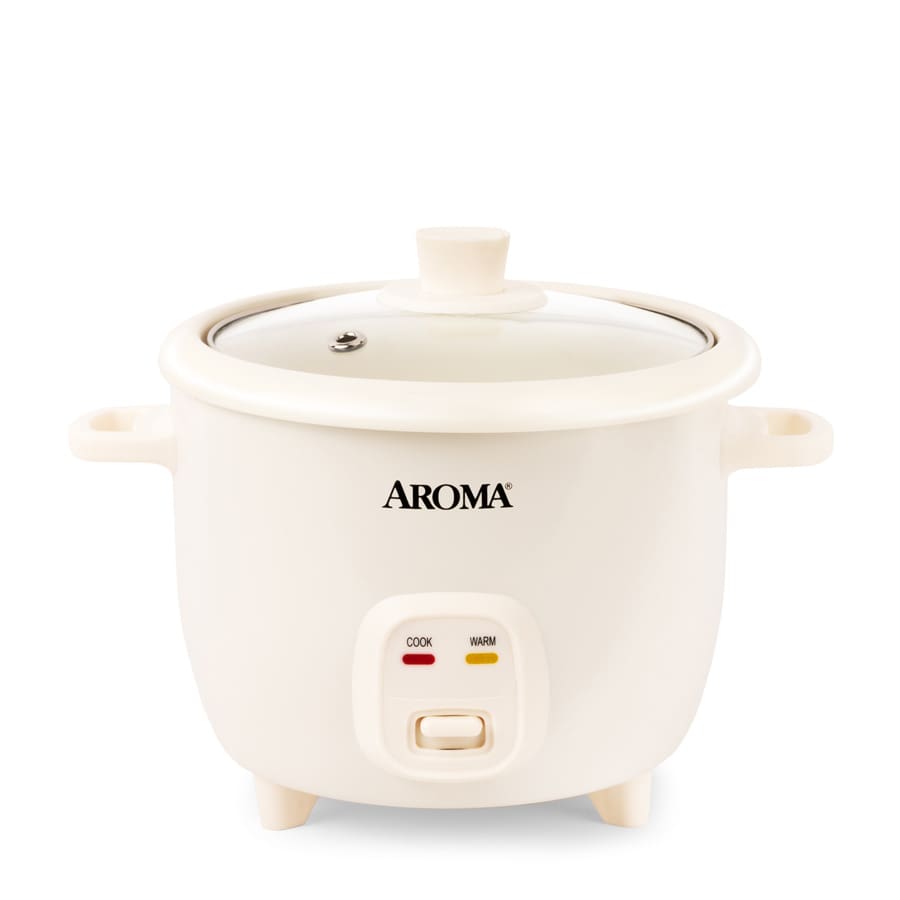
Recipes and simple variations
Once you know how to operate electric rice cooker, you can make more than plain rice. Try these easy ideas.
- Garlic butter rice — add minced garlic and butter before cooking. Fluff and add parsley.
- Vegetable pilaf — stir in sautéed onions and peas before starting the cook cycle.
- Rice porridge — use more water and a porridge or porridge-like setting for breakfast.
- Sushi rice — rinse well, use slightly less water, and season with rice vinegar and sugar after cooking.
- One-pot chicken and rice — sear small pieces of chicken first if possible, then add rice and liquid and cook together.
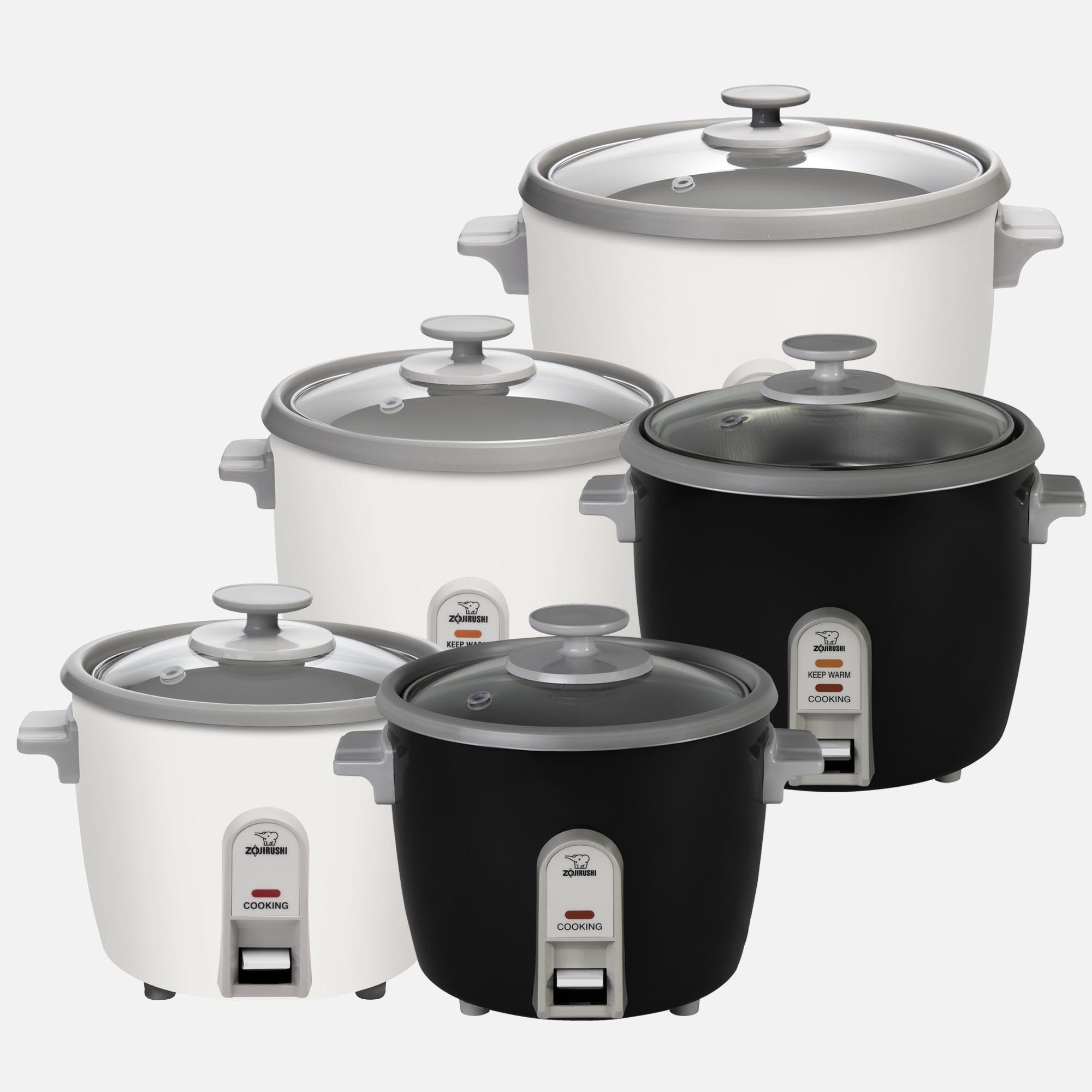
Frequently Asked Questions of how to operate electric rice cooker
How much water should I use for long-grain white rice?
Use about 1.25 cups of water per 1 cup of long-grain white rice, or follow your cooker’s inner pot marks for best results.
Can I cook frozen vegetables with rice?
Yes. Add frozen vegetables on top before closing the lid. They will steam and heat while the rice cooks.
Is it safe to leave rice in the cooker on warm overnight?
It’s safer to avoid leaving cooked rice on warm for more than 4–6 hours. Cool and refrigerate leftovers within two hours for food safety.
How do I fix burnt rice at the bottom of the pot?
Soak the pot in warm water with baking soda, then gently scrub. Avoid scraping too hard to protect a nonstick coating.
Do I need to measure rice precisely?
Measuring helps ensure consistent results. Use the included cup or standard measuring cups and adjust water slightly for your texture preference.
Conclusion
You can make great rice every time by learning a few simple steps. Measure rice, rinse it, use the right water ratio, press cook, and let it rest to get fluffy results. Try one new tip or recipe this week to build confidence and taste the difference. Share your wins or questions in the comments, or subscribe for more easy kitchen guides.