
Most bathroom exhaust fans with lights combine ventilation and lighting for compact, efficient bathrooms.
As a home-improvement writer and longtime DIYer, I’ve installed and tested several bathroom exhaust fan with light units. This guide walks you through what they are, why they matter, how to choose and install one, and practical tips from real experience. Read on to learn how a bathroom exhaust fan with light improves air quality, prevents mold, saves space, and can even lower energy use.

What is a bathroom exhaust fan with light and why it matters
A bathroom exhaust fan with light is a single fixture that provides ventilation and illumination. It pulls humid air out of the room while the built-in light brightens the space. These combo units are common in homes with limited ceiling space or where a compact, neat solution is preferred.
Benefits include reducing humidity, cutting mold risk, and saving installation time compared to separate fixtures. For small bathrooms, a bathroom exhaust fan with light is often the cleanest, most cost-effective choice. It also simplifies wiring and can fit existing cutouts during retrofits.
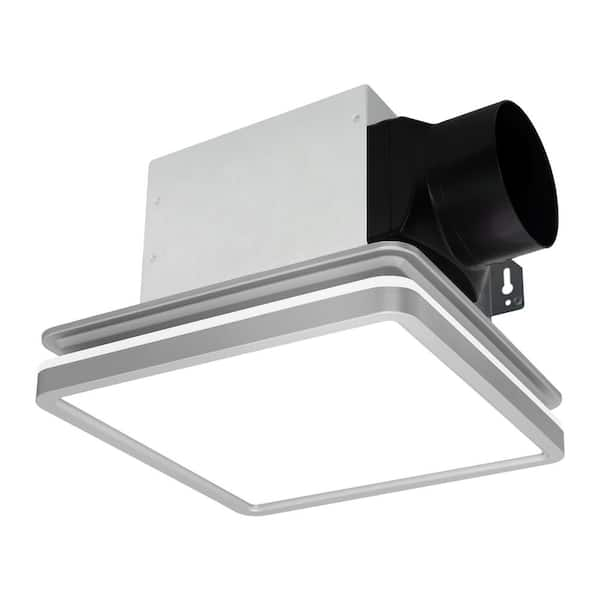
Key features to look for
Choosing the right bathroom exhaust fan with light means checking a few key specs. Focus on performance, noise, and light quality.
- Airflow (CFM): Pick a unit with sufficient CFM for your bathroom size. Most codes recommend at least 50 CFM for small bathrooms and higher for bigger spaces.
- Noise (sone rating): Lower sone equals quieter fan. Aim for 1.0 sone or less for a near-silent experience.
- Light type and lumens: LED lights offer long life and good brightness. Look for lumens that match your bathroom use: 800–1,200 lumens for general lighting.
- Energy efficiency: Look for ENERGY STAR-rated fans and LED lights to reduce power use.
- Controls and extras: Timers, humidity sensors, and motion sensors add convenience and save power.
- Duct compatibility: Ensure the fan’s duct size matches your ductwork for optimal airflow.

Types and design options
Bathroom exhaust fan with light fixtures come in a few styles. Choose one that matches your needs and aesthetics.
- Ceiling-mounted combo: Most common. Good for standard ceilings and retrofit jobs.
- Wall-mounted units: Used when ceiling access is limited or for unique layouts.
- Recessed designs: Sit flush for a minimalist look and pair well with modern bathrooms.
- Integrated heater or fan-light-heater combos: Add warmth but use more energy.
- Decorative trims and finishes: Options range from plain white to metal finishes and designer grilles.
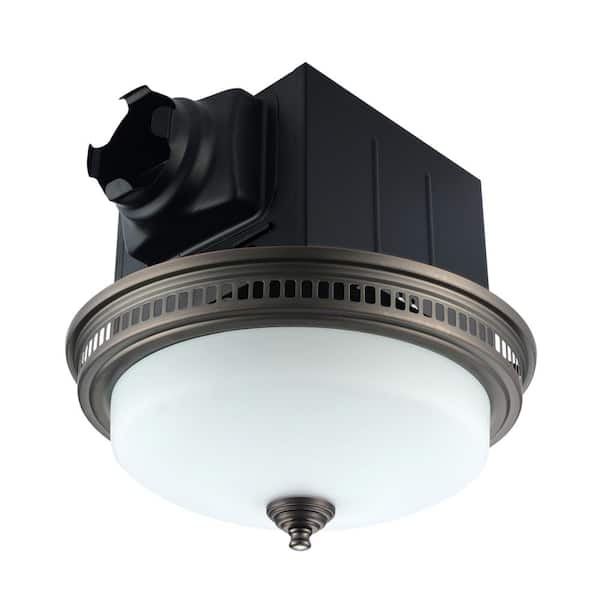
How to size a bathroom exhaust fan with light
Sizing is simple when you follow CFM rules. Use these quick methods.
- Rule of thumb: 1 CFM per square foot of bathroom area for continuous ventilation.
- Minimum baseline: At least 50 CFM for bathrooms with a toilet and sink. Add CFM for tubs or showers.
- Short bursts vs. continuous: If you run the fan only during showers, choose higher CFM for quick moisture removal.
Always account for duct length and bends; long ducts reduce effective airflow. Oversize slightly rather than undersize to keep humidity down.

Installation basics and wiring tips
Installing a bathroom exhaust fan with light can be a DIY job if you’re comfortable with basic wiring and cutting ceiling openings. Follow local codes and shut power off before working.
- Location: Place near the shower or tub to capture humid air quickly.
- Mounting: Secure to joists or use the included housing brackets for retrofit installs.
- Ducting: Use smooth rigid duct where possible and keep runs short. Insulate ducts that run through cold spaces to prevent condensation.
- Wiring: Many combo units need a 120V connection. You may need separate switches for fan and light or a single two-function switch.
- Vent termination: Always vent to the outside, not the attic or soffit. Use a proper roof or wall cap with a backdraft damper.
- Safety: If unsure, hire a licensed electrician. Improper wiring or venting can create hazards.
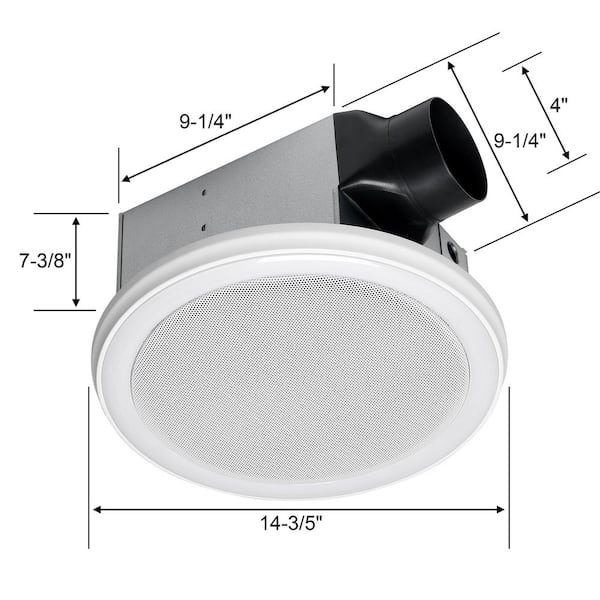
Maintenance and troubleshooting
Regular care keeps a bathroom exhaust fan with light working well for years. Clean and check components at least once a year.
- Cleaning: Remove the grille and wipe or vacuum dust from blades and housing. LED lenses can be cleaned with a soft cloth.
- Noise issues: Dust buildup, loose mounting, or worn motors raise noise. Tighten mounts and clean blades first.
- Reduced airflow: Check duct obstructions, crushed ducts, and clogged vents. Replace foam filters if present.
- Light problems: Replace only with manufacturer-recommended bulbs or LEDs. Ensure the light driver is compatible with dimmers.
If the fan hums, trips breakers, or shows signs of moisture damage, have a pro inspect it.

Energy, cost, and efficiency considerations
A bathroom exhaust fan with light can be a smart value buy if chosen carefully.
- Upfront cost: Combo units are usually cheaper than separate fan and light fixtures.
- Operating cost: LED lights and efficient brushless motors lower energy bills. Look for high-efficiency motor and LED lighting.
- Lifespan: LEDs and quality motors last longer. Expect 10–15 years for a well-maintained unit.
- Rebates and codes: Some local programs offer rebates for ENERGY STAR-rated fan-light combos; check local incentives.
- Long-term savings: Proper ventilation prevents mold, which avoids costly repairs and preserves indoor air quality.
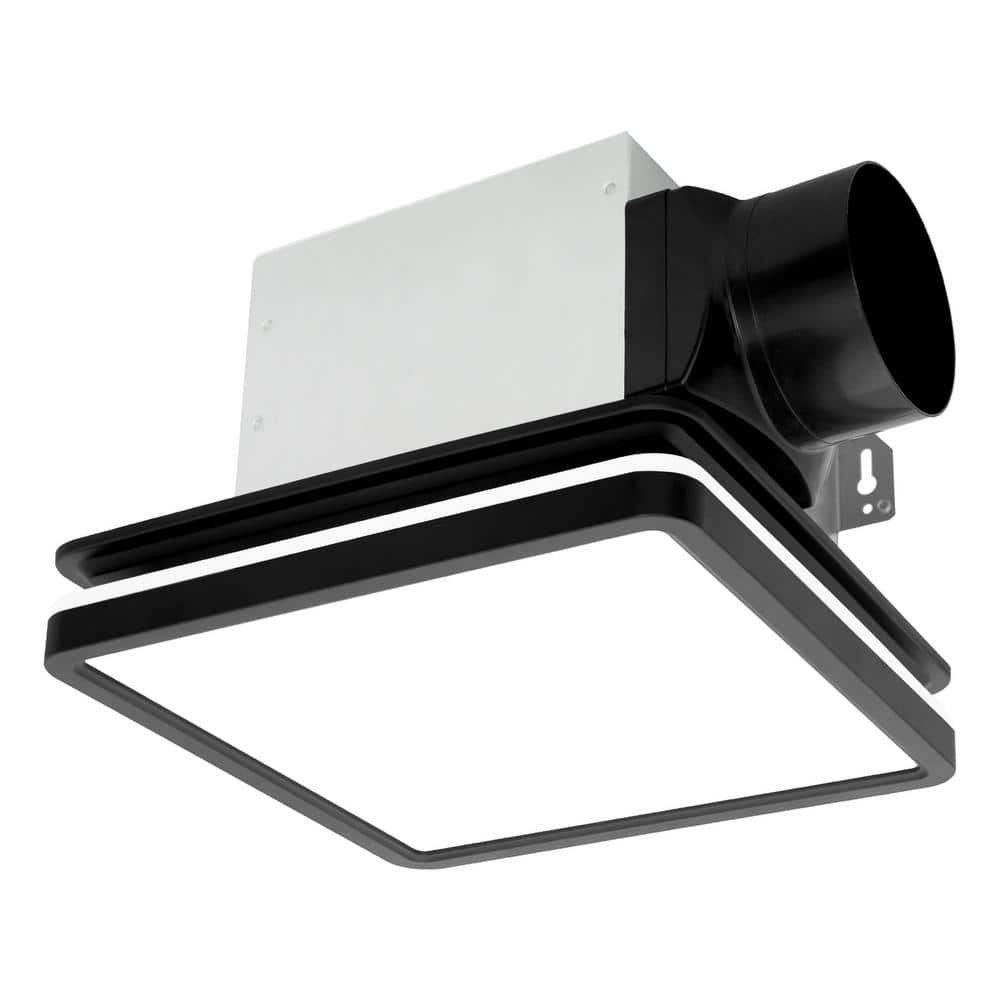
Personal experience, lessons learned, and practical tips
I’ve replaced three bathroom exhaust fan with light units in older homes. Here are lessons I learned from real installs.
- Match duct size: Once, I installed a higher-CFM unit but kept the small duct. The airflow didn’t improve until I replaced the duct. Lesson: upgrade ductwork when upgrading the fan.
- Use LED from the start: Replacing halogen bulbs with LEDs later was a hassle. Buy LED-equipped units to avoid heat and replacement issues.
- Install a humidity sensor: Adding a humidity sensor saved energy and kept mold away. The fan runs only when needed.
- Quiet fans get used: Family members are more likely to run a quiet fan. Noise matters for actual usage.
Tips:
- Measure the existing ceiling cutout before buying a retrofit model.
- Consider a separate switch for the light and fan for flexibility.
- If you smell mildew, run a timed fan after showers for at least 20 minutes.

PAA-style common questions answered
How loud is a typical bathroom exhaust fan with light? Most modern units run under 1.5 sones; quiet models are 1.0 sone or less, which is nearly silent.
Do I need a separate light if my fan has one? Not usually. A bathroom exhaust fan with light often provides ample general lighting for many bathrooms, but you might want task lighting for vanities.
Can I install a bathroom exhaust fan with light myself? Homeowners comfortable with basic wiring and cutting can install a fan-light combo, but hire an electrician if you’re unsure or if local code requires it.
How often should I clean the fan? Clean the grille and housing once a year. More frequent cleaning is necessary if you have heavy usage or pet hair.
Will a fan with light reduce mold? Yes. Proper ventilation reduces humidity and conditions that foster mold. Use the fan during and after showers for best results.
Frequently Asked Questions of bathroom exhaust fan with light
What size fan do I need for a small bathroom?
Sizing depends on square footage and fixtures. For a small bathroom, aim for at least 50 CFM, and increase CFM for larger rooms or multiple fixtures.
How loud should a fan-light combo be?
Quiet fans are 1.0 sone or less; average units run 1.5–3.0 sones. Pick a lower sone rating for bedrooms or if you value silence.
Can I use a dimmer with a bathroom exhaust fan with light?
Only if the unit’s light is dimmable and compatible with the dimmer type. Check the manufacturer specs before installing a dimmer switch.
Does the fan need to run continuously?
Not necessarily. Running the fan for 20–30 minutes after showers usually prevents moisture buildup. Continuous low-speed ventilation is an option for very humid climates.
Is it okay to vent the fan into the attic?
No. Always vent to the exterior to prevent moisture damage and mold in attic spaces. Proper termination keeps your home healthy.
How long do these units last?
With regular maintenance, a good-quality bathroom exhaust fan with light can last 10–15 years. Motors and LEDs can wear, so replace when performance drops.
Final thoughts and next steps
A bathroom exhaust fan with light is a smart, space-saving upgrade that improves air quality and adds practical lighting. Choose a properly sized, quiet, and efficient model, and pay attention to ducting and vent termination. Regular cleaning and using features like humidity sensors will extend lifespan and maximize benefit.
Take action today: measure your bathroom, list must-have features, and pick an ENERGY STAR-rated bathroom exhaust fan with light that fits your needs. If you’re unsure about wiring or venting, consult a licensed pro. Share your experience or questions below, or subscribe to get more home-improvement guides.